
A Los Angeles Superior Court judge on Tuesday ordered the City to take the steps needed to clear the Venice Dell site for construction, finding that the developers had presented evidence the City deliberately obstructed the affordable housing project after Councilmember Traci Park and City Attorney Hydee Feldstein Soto took office.
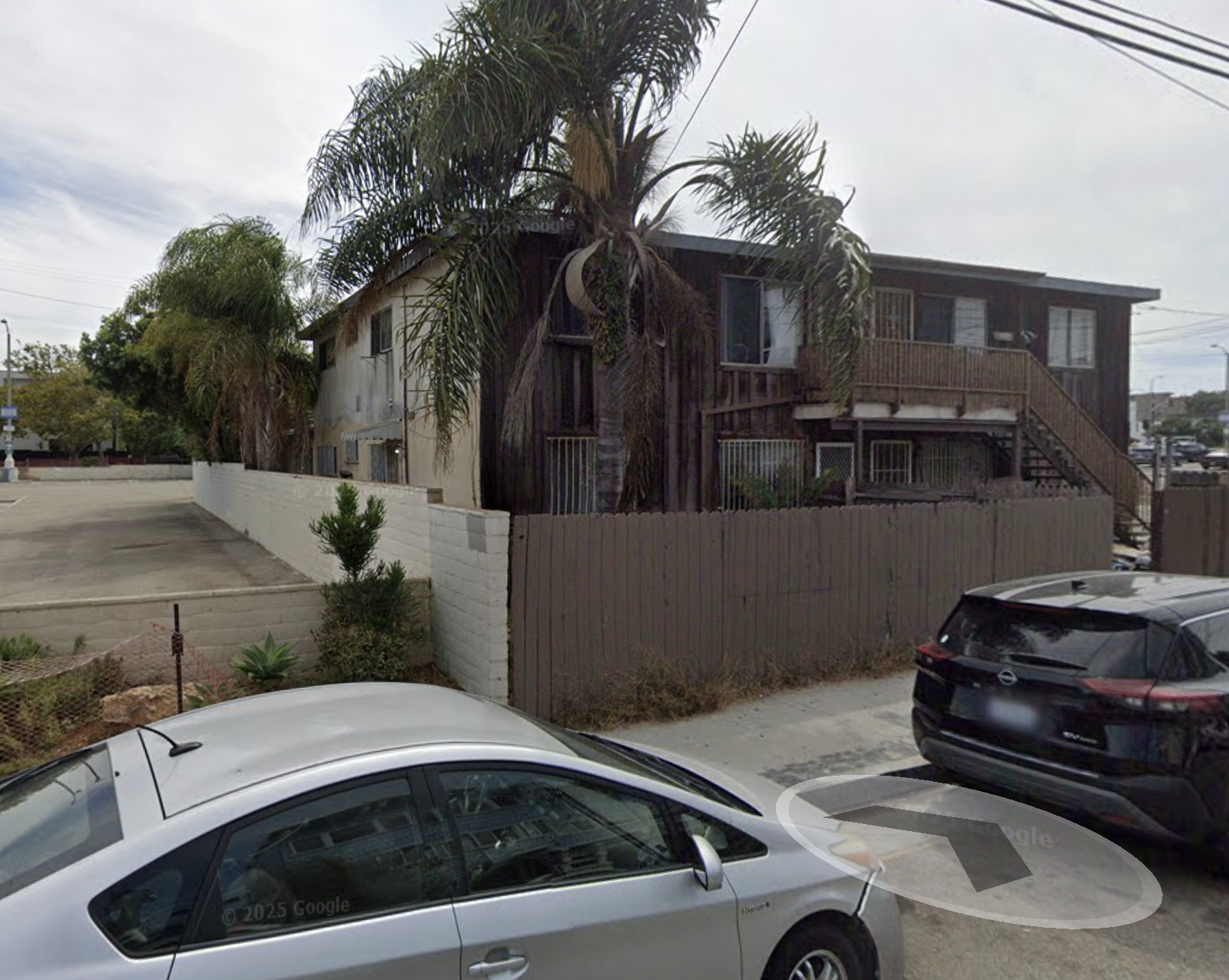
In a ruling issued September 29, Judge Steven A. Ellis granted a preliminary injunction requiring the City to process the Ellis Act application for Lot 731 by October 26 and to serve withdrawal notices on the tenants of the four-unit, City-owned building on the site by November 23. The order takes effect once the developers, Venice Community Housing and Hollywood Community Housing Corporation, post a $461,920 bond, equal to the maximum relocation payment of $115,480 for each of the four units.
The ruling marks the City’s second major courtroom loss over Venice Dell in five months. In May, Judge Curtis Kin found that the Board of Transportation Commissioners lacked the authority to block the project and ordered the board to vacate its December 2024 vote, which it did in late August. Tuesday’s decision comes in a separate case, the breach of contract lawsuit the developers filed against the City in July 2025.
Venice Dell would bring 120 affordable and supportive homes to the City-owned parking lot at 200 N. Venice Blvd., including 68 units reserved for people experiencing homelessness. The City Council approved the project in December 2021, and the City signed a development agreement with the developers in June 2022. Park and Feldstein Soto were both elected later that year after campaigning against the project, with Park promising to “squash this on day one.”
According to the ruling, the developers prepared an Ellis Act application on the City’s behalf in January 2023 at the request of the Los Angeles Housing Department, then updated it in August 2023 and again in September 2024. The City never filed it and never issued the required notices. The housing department told the developers the delay was “due to recent orders from the Mayor’s office,” according to a declaration cited by the court.
The Ellis Act is the state law that governs how a landlord removes rental units from the market. In this case the landlord is the City, which owns the four rent-controlled units on Lot 731. The court described the building as being in substandard condition and noted that its demolition and the relocation of its tenants were always understood to be part of the Venice Dell project.
Mandatory injunctions, which force a party to take action rather than stop doing something, are disfavored and granted only when the right to relief is clearly established. Judge Ellis found the developers met that bar, concluding they have a strong likelihood of proving the City breached both the agreement and its implied duty of good faith and fair dealing.
The court rejected each of the City’s main arguments. The City contended the agreement was no longer in effect because it sent the developers a notice of default and termination in June 2025. Judge Ellis found the City had not given the developers the notice and opportunity to cure that the contract requires, had itself extended the financing deadline into 2026 through a 2024 side letter, and had sent the termination letter less than a month after the developers accused the City of default. Under the circumstances, he wrote, the letter looked more like a “tit-for-tat response” than a good faith exercise of any right to terminate.
The City also argued that a court cannot compel it to make a discretionary decision about when to begin the Ellis Act process. The judge wrote that the argument “fundamentally mischaracterizes” both the record and the developers’ request. Entering the agreement was discretionary, he found, but once the City signed, its officials could no longer refuse to process applications or take other routine actions in order to delay or obstruct the project. He also dismissed the City’s argument that Venice Dell might never secure all of its funding, noting that the same uncertainty applies to nearly every development and does not excuse a party from performing its contract.
The project’s financing timeline helps explain what is at stake. In September 2025, the state awarded Venice Dell more than $42 million through its Multifamily Housing Program, about 43 percent of the project’s total funding. The state will rescind the award unless all permanent financing is secured by September 5, 2027. To meet that deadline, the developers must apply for tax credits and tax-exempt bonds by May 2027. Because some of the tenants on the site are elderly or disabled, they are entitled to at least one year of notice. Without action from the City now, the court found, the developers cannot obtain financing and the project will not move forward. By contrast, the judge described the City’s burden in processing paperwork for four units as “light.”
The court also weighed the harm to the tenants themselves. Mary Alice Crowe, who has lived in her unit for 43 years, filed a brief opposing the injunction along with declarations from herself and Alan Phillips, a tenant of 32 years. Both described the toll of living under the threat of displacement for roughly nine years, and Crowe told the court that a relocation payment of around $100,000 would not be enough to secure another home in Venice. Judge Ellis called that harm real and immediate. He also found that no tenant would be forced to move before the case goes to trial in April 2027, that the City could rescind the notices if it prevails, and that the City itself had already concluded, when it signed the agreement, that the benefits of the new affordable homes outweighed the loss of the four existing tenancies.
Under the Ellis Act, the tenants are entitled to both relocation payments and relocation services. The developers are obligated under the agreement to reimburse the City for those costs, which the court noted in setting the bond.
The ruling adds to the cost of the City’s fight. The City Attorney’s office has sought more than $2 million in funding for outside law firm Nossaman LLP to defend the City in Venice Dell litigation, including another $650,000 requested in March. In October 2025, the state Department of Housing and Community Development sent the City a Letter of Inquiry warning that its treatment of the project could put Los Angeles out of compliance with its Housing Element, which could jeopardize the City’s Prohousing designation and its access to state housing funds.
It is not yet clear whether the City will appeal. Feldstein Soto lost her reelection bid in June and leaves office in December, but her office has continued to press its case, seeking a new trial after Judge Kin’s ruling and asking the City Council on September 1 to meet in closed session about an undisclosed recommendation in Venice Dell and four related cases. Mayor Karen Bass’s office has said the Mayor does not support the City’s effort to obtain a new trial.
Under California law, appealing a mandatory injunction generally suspends it while the appeal is pending. An appeal could therefore pause the October and November deadlines and push the project closer to the date its state funding expires. Park, who was reelected in June, has repeatedly declared Venice Dell dead. Tuesday’s ruling is the second time this year a judge has found otherwise.