
The Venice Dell saga took another dramatic turn last Thursday when the Los Angeles Board of Transportation Commissioners voted to vacate its December 2024 decision blocking the use of Municipal Parking Lot 731 for the Venice Dell affordable housing project. The vote complies with an order from Superior Court Judge Curtis Kin, who ruled in May that the commission exceeded its authority when it refused to authorize using the city-owned property for housing.
Venice Dell would provide 120 affordable and supportive apartments near the Venice Canals, including 68 homes reserved for people experiencing homelessness. To get a sense of the potential impact of this development, those 68 units could house nearly half of the 139 unhoused people counted in Venice during the most recent point-in-time count.
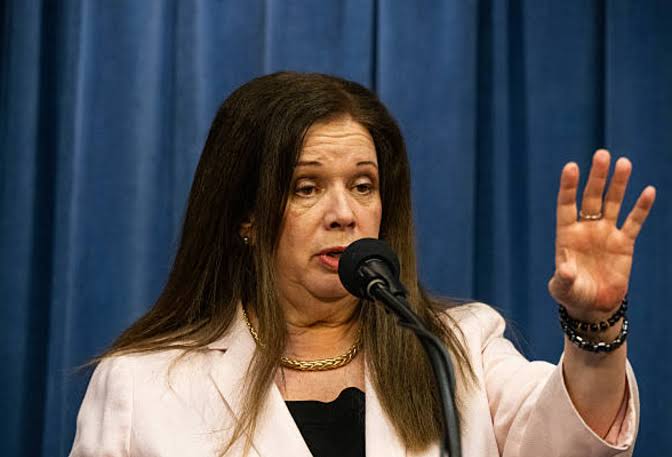
Commissioners voted after spending approximately one hour in closed session with attorneys representing the City. They had postponed the same vote two weeks earlier after the City Attorney’s office said it had “important legal advice” that could only be provided privately. Before commissioners entered closed session, Anna Hovasapian, Mayor Karen Bass’s Deputy Chief of Staff for Policy, urged them to vacate their decision. Hovasapian also said the Mayor does not support the City’s effort to obtain a new trial.
The statement publicly places the Mayor at odds with outgoing City Attorney Hydee Feldstein Soto’s latest effort to overturn the judgment. On August 25, Feldstein Soto’s office filed a Notice of Intent to Move for New Trial on behalf of both the City and the Transportation Commission. The filing claims that irregularities in the proceedings, improper court orders, insufficient evidence and legal errors prevented the City from receiving a fair trial. The four-page notice does not explain the factual basis for those allegations, but says the City will provide its legal arguments and supporting declarations in subsequent filings.
The commission’s vote came two days later. While the vote vacated the decision at the center of the case, it did not end the City Attorney’s attempt to set aside Kin’s ruling. A September 1 report from the City Attorney’s office shows that the litigation is now being taken back to the City Council. The report asks the Council to schedule a closed-session discussion of a confidential “recommendation for City Council action” in the Venice Dell case and four associated cases.
The report does not disclose what action the City Attorney is recommending or say whether the recommendation involves the new trial effort, the Transportation Commission’s vote or some other aspect of the five pending cases. The timing is significant because City Council has until this Friday to assert jurisdiction over the BOTC’s August 27th decision.
While LA officials continue litigating over the Venice Dell project, state lawmakers are acting to protect a separate land-use approval threatened by the City’s delays. On August 21, Assemblymember Buffy Wicks amended Assembly Bill 2051 to allow the California Coastal Commission, for good cause, to retroactively extend for up to five years the deadline for a local government to accept modifications to a land-use-plan amendment authorizing a 100-percent affordable housing development.
The provision was written to address the City’s failure to act before a deadline connected to Venice Dell’s coastal approval expired. It would not approve the project or eliminate the remaining lawsuits, but it would allow the Coastal Commission to preserve the land-use pathway Venice Dell needs to proceed.
This latest flurry of activity out of the City Attorney’s office seems to indicate that attempting to block Venice Dell will be City Attorney Hydee Feldstein Soto’s last stand. Voters overwhelmingly rejected her bid for reelection in June, when she finished third with just 18 percent of the vote, becoming the first incumbent Los Angeles city attorney since 1933 to be eliminated in the primary. With only months remaining in office, Feldstein Soto is seeking a new trial and closed-door Council action in litigation over a project whose 68 supportive apartments could house nearly half of the 139 unhoused people counted in Venice.