
Los Angeles now has a clearer answer to the central question hanging over the fight to weaken Measure ULA. The proposed exemptions would not simply “reform” the voter-approved mansion tax. They would cut deeply into the city’s largest funding source for affordable housing, homelessness prevention, eviction defense, rental assistance, and tenant protections.
In a new report to the City Council, the Los Angeles Housing Department found that the broadest combination of proposed ULA exemptions could reduce annual revenue by about 35 percent, or roughly $177 million per year. According to LAHD, that would mean approximately 350 fewer new affordable housing units, 1,500 fewer homes preserved, 950 fewer low-income renter households receiving rental assistance, 1,200 fewer seniors and disabled households receiving income support, and 2,100 fewer low-income households receiving full legal representation to avoid eviction each year.
The report comes after months of political pressure from real estate interests and their allies to weaken ULA, the 2022 voter-approved tax on high-value property sales that funds affordable housing and homelessness prevention. Councilmember Nithya Raman previously advanced a proposal that advocates warned would create sweeping new exemptions, including a 15-year exemption for new multifamily and commercial properties. Supporters of these changes have framed them as a way to protect housing production and as a necessary compromise to stave off the Howard Jarvis Taxpayers Association’s broader effort to repeal ULA entirely. But that argument has increasingly fallen apart as anti-tax groups and real estate interests have continued pushing repeal efforts even while carveout proposals moved forward at City Hall. It’s now clear that these concessions were never about ending the broader statewide campaign against Measure ULA and similar legislation. At the same time, the evidence on housing production keeps moving in the opposite direction.
LAHD found that exempting properties built or substantially remodeled within the past 15 years, excluding single-family homes, duplexes, and triplexes, could reduce ULA revenue by 29 percent, or about $145 million annually. A narrower version tied only to properties built within the past 15 years could still reduce revenue by about 13 percent, or $64 million per year. These cuts would come as ULA is beginning to deliver at scale. Since taking effect in 2023, ULA has raised nearly $1.2 billion from 1,633 high-value real estate transactions. LAHD expects to allocate more than $520 million in ULA funds in the 2026-27 fiscal year, including $335 million for affordable housing programs and $144 million for homelessness prevention programs.
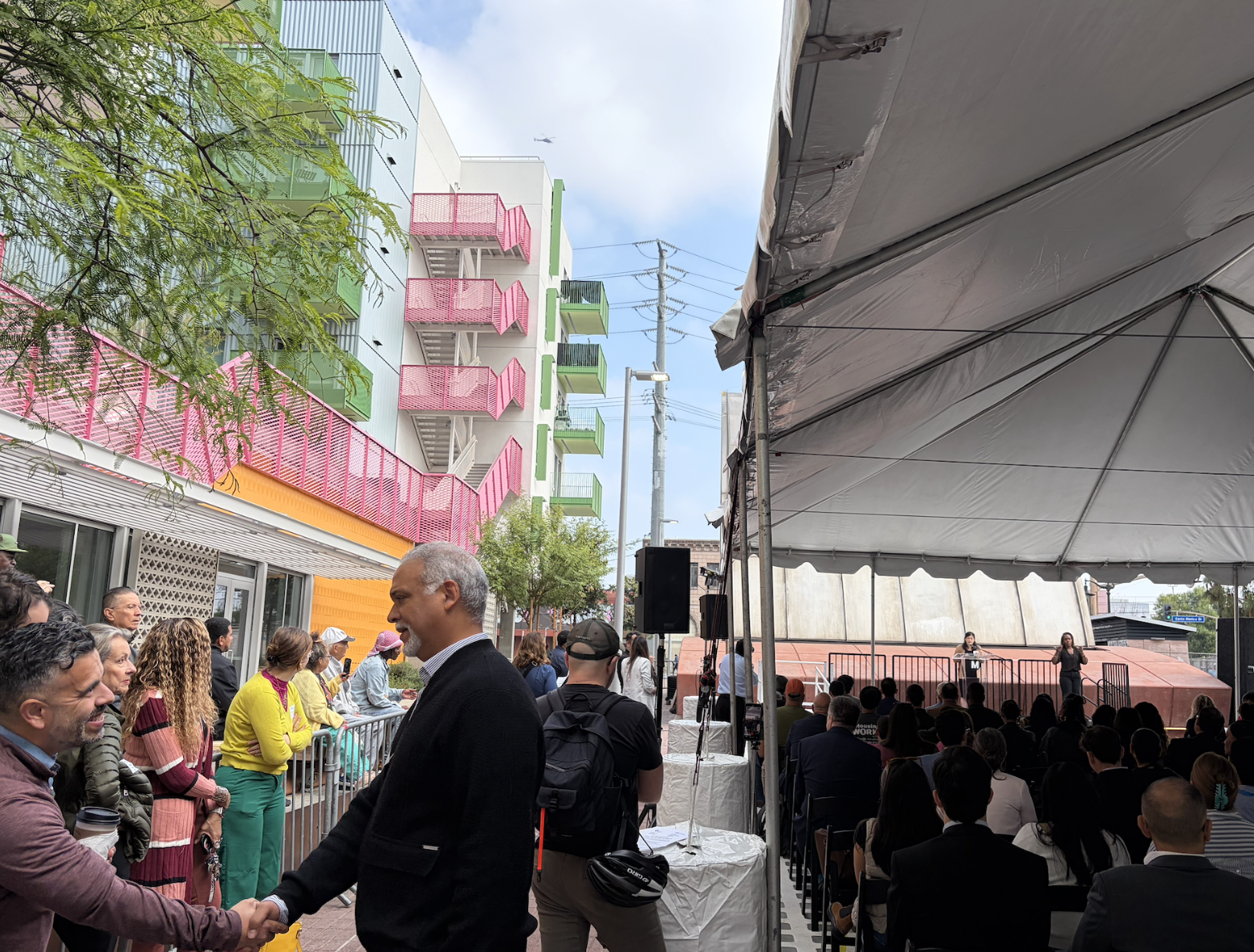
That money is already moving into housing. In April, the Ad Hoc Committee on ULA advanced $360.97 million for 80 affordable housing projects totaling 5,241 units through the Homes for LA program, the largest single ULA allocation to date. This is what makes the current debate so revealing. City leaders are not being asked to fix a program that has failed. They are being asked to cut a program precisely as it begins to work.
ULA critics have spent more than a year blaming the measure for a broader slowdown in real estate activity, even as housing markets across the country were shaped by high interest rates, insurance costs, construction costs, and post-pandemic shifts. In addition to market volatility, repeated lawsuits, repeal threats, carveout proposals, and ballot maneuvers may themselves be creating the very uncertainty critics then cite as evidence that ULA is failing. Newer data has further weakened the anti-ULA case. United to House LA has pointed to rising permits, growing applications, increased entitlements, and recovering transaction activity as evidence that Los Angeles construction is rebounding while ULA continues to generate revenue.
More than 5,600 affordable housing units have been funded so far, including 1,900 units of new construction, 466 units preserved, and 3,487 units stabilized with operating assistance. The more the data comes in, the harder it becomes to sustain the story that ULA is the main obstacle to housing production. A separate BAE Urban Economics analysis found that ULA plays a relatively minor role in whether most projects pencil out. The bigger forces are the ones developers themselves usually name when they are not lobbying against ULA, including interest rates, cap rates, rents, insurance, and broader financing conditions.
That matters because the proposed exemptions would not appear out of thin air. They would remove funding from actual programs that are already helping tenants stay housed. ULA funds emergency rental assistance, eviction defense, income support for rent-burdened seniors and disabled tenants, tenant outreach, affordable housing construction, housing preservation, and operating assistance. These programs are not abstractions. They are the difference between a tenant getting a lawyer or facing eviction alone, a senior staying housed or falling behind, and an affordable project closing its financing or waiting another year.
The LAHD report makes that tradeoff impossible to hide. Under the broadest exemption scenario, the city would lose hundreds of millions of dollars that would otherwise go toward affordable homes and tenant protection. It would also weaken staffing and administration for the very programs critics claim they only want to improve. LAHD warned that reduced administrative funding could delay implementation, reduce service quality, and leave fewer resources for reporting, monitoring, and transparency.
The politics are especially perverse because many of the same officials now entertaining ULA carveouts continue to take credit for the housing and homelessness prevention programs ULA funds. They praise the ribbon cuttings, announce the grants, celebrate the rental assistance, and then flirt with exemptions that would shrink the very revenue stream making those announcements possible.
ULA’s opponents have not hidden what they want. Powerful anti-tax and real estate interests have tried to weaken, repeal, or preempt the measure since voters passed it. Some city leaders have responded by offering carveouts in the hope that sacrificing part of ULA might save the rest. But the LAHD report shows what that sacrifice would actually mean in practice.