
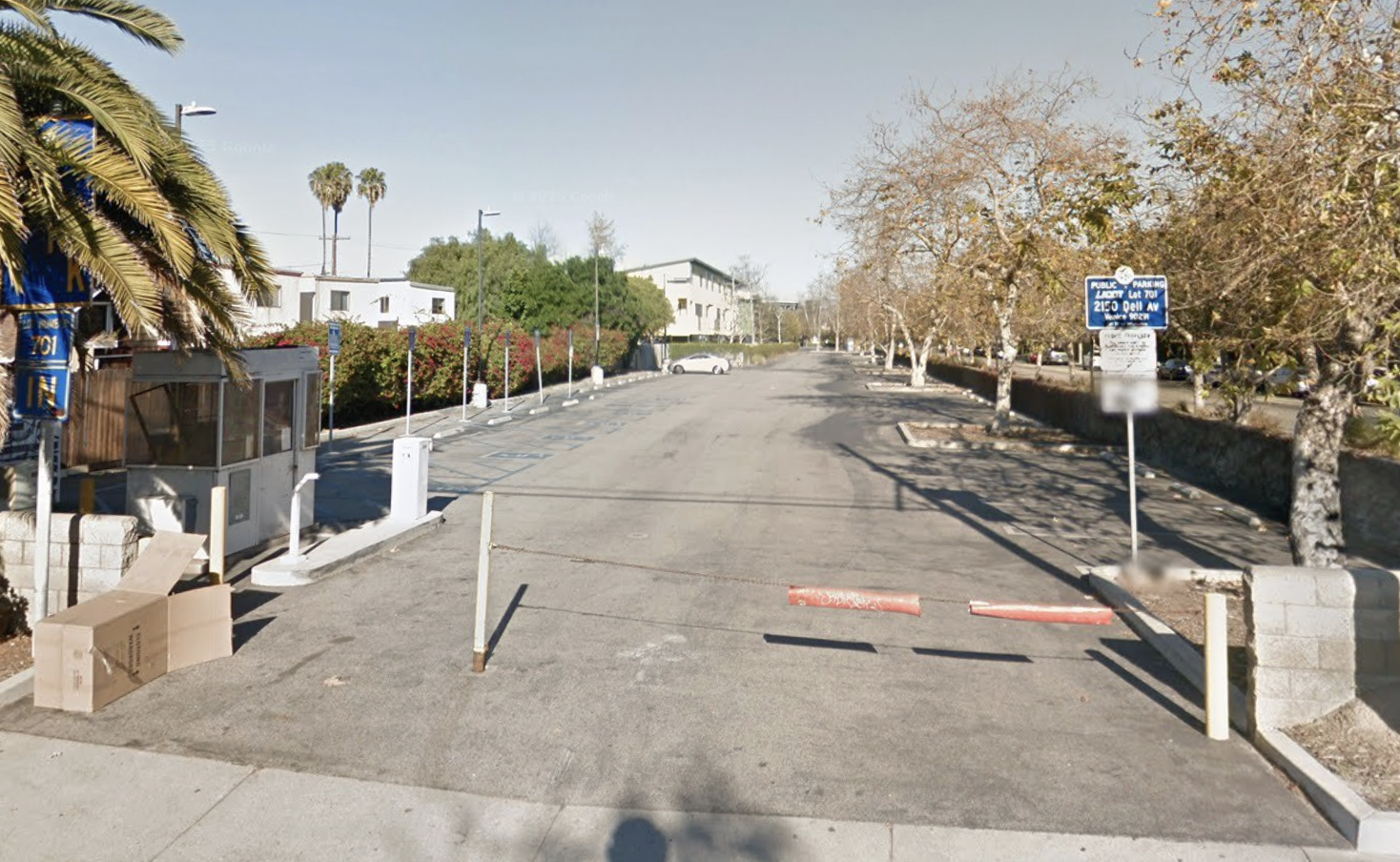
When Councilmember Traci Park introduced her Lot 701 motion last year, it arrived at a moment when the Venice Dell project was not stalled but advancing. The affordable housing development had secured unanimous Coastal Commission approval, assembled nearly $45 million in public funding, and positioned itself to complete its financing through tax credits, placing the project on a clear path toward construction.
That context was central. Venice Dell had already undergone years of environmental review, litigation, and design changes addressing parking, coastal access, and flood concerns. The City had defended those approvals in court and entered into a development agreement with the nonprofit team. Despite that progress, Park argued that Lot 731 was unsuitable for housing and promoted nearby Lot 701 as an alternative that would require restarting feasibility studies, approvals, and financing from the beginning, a move critics warned would add years of delay to homes that were otherwise ready to move forward.
A newly released Los Angeles Department of Transportation report now reinforces those concerns in unusually direct terms.
The February 18 transportation memo outlining the concept of a mobility hub at Lot 731 does not describe a project ready for implementation. Instead, it details a lengthy sequence of preliminary steps including funding a feasibility study, hiring a consultant, analyzing parking demand, and conducting public outreach before design work could even begin.
Only after that initial year of planning would the proposal face Coastal Commission permitting, followed by design, procurement, and construction phases extending toward the 2028 Olympic timeline. The document effectively confirms that the mobility hub remains conceptual while Venice Dell remains executable.
The contrast is stark. One project has secured approvals, funding commitments, and a development agreement after nearly a decade of process, and the other begins with a feasibility study.
That gap matters because the mobility hub framing has increasingly been presented as a justification for displacing the approved housing project from Lot 731. The transportation report quietly undermines that narrative by showing that the alternative is not an accelerated infrastructure investment but a reset of the planning process with no secured funding, no defined design, and no regulatory approvals.
Even basic questions remain unresolved. The report acknowledges that the lot currently provides heavily used public parking and that removing those spaces would require further study of demand, access, and revenue impacts before any conversion could occur. The memo also signals fiscal uncertainty, noting potential effects on parking revenue without identifying replacement funding for construction.
Taken together, the report reads less like a transportation strategy competing with housing and more like a description of how long it would take to begin imagining one. That reality sharpens the political implications of the Lot 701 strategy. Moving Venice Dell away from its approved site does not substitute one ready project for another. It replaces a funded development with an extended planning process whose timeline stretches years into the future.
In practice, that functions as a burial mechanism for housing that has already cleared the hurdles most projects never reach. The transportation memo does not argue against housing directly. Instead, it outlines a process that would inevitably postpone it.
As Venice Dell continues to advance through funding and legal milestones, the question raised by the report is not whether mobility investments are valuable. It is whether a conceptual mobility hub should be used to displace a shovel ready affordable housing project that the City itself spent years approving.
What makes the timeline even harder to overlook is the City’s recent willingness to use Lot 731 for private film production. While Park has argued the site cannot accommodate affordable housing, the same lot has been cleared for Baywatch filming that will remove the space from public use for months while adding congestion and leaving behind no permanent community benefit.