
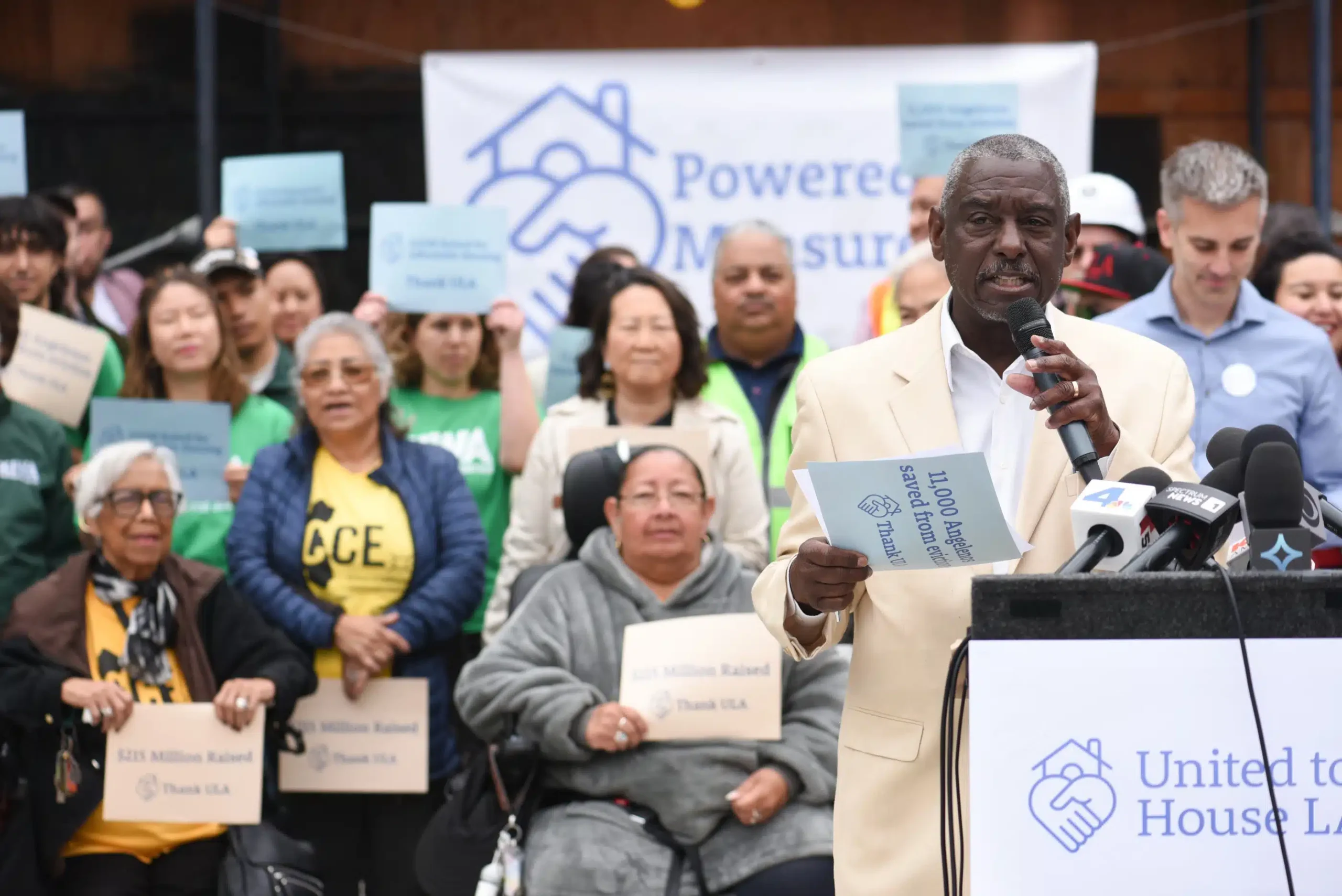
Los Angeles City Council is moving toward a ballot measure that housing advocates warn would fundamentally weaken Measure ULA, the voter-approved real estate transfer tax that has become the city’s largest source of funding for affordable housing and homelessness prevention.
Councilmember Nithya Raman, with support from Mayor Karen Bass, is expected to introduce a motion to place amendments to ULA on the June 2026 ballot. While the full motion text has not yet been released publicly, housing and labor organizations familiar with its core elements say they are mobilizing in opposition.
According to advocates, the motion would create sweeping new exemptions from ULA payments, including a 15-year exemption tied to certificates of occupancy for new multifamily and commercial properties, a temporary exemption for first residential sales in the Pacific Palisades following the recent fires, and a set of technical changes requested by the Los Angeles Housing Department. The proposal also includes procedural changes intended to speed up contracting by limiting review delays at the City Attorney’s office.
Housing advocates say what is most concerning is the broader political context in which the motion is being advanced. For more than a year, Measure ULA has faced coordinated attacks from the Howard Jarvis Taxpayers Association and powerful real estate interests seeking to roll back voter-approved revenue measures statewide. City leaders have framed the proposed amendments as a response to those threats.
But housing organizations argue the amendments under consideration do not meaningfully address the repeal effort and instead mirror long-standing demands from developers who opposed ULA from the beginning. They say the changes would reduce who pays into ULA, delay when revenue is collected, and shift funds away from permanent housing and eviction prevention at the very moment the program is beginning to deliver results .
Measure ULA applies only to property sales over $5.3 million and asks the wealthiest property owners to contribute to housing solutions that benefit the broader city. Since voters approved it, ULA has raised more than $1 billion, a milestone advocates refer to as the People’s Billion. In its first year alone, the program helped prevent more than 10,000 people from falling into homelessness, funded hundreds of affordable homes, and accelerated thousands of union construction jobs. During the same period, Los Angeles recorded its first sustained decline in homelessness in years, reinforcing advocates’ argument that housing stability and prevention work .
Claims that ULA is stalling development have also failed to hold up. Housing entitlements and building permits have increased since ULA passed, and transactions subject to the tax have risen steadily. Advocates say the real estate industry’s warnings reflect resistance to paying the tax, not evidence of a housing slowdown.
The possibility of diverting ULA funds toward interim housing has drawn particularly sharp criticism. Measure ULA was designed to focus on eviction prevention, tenant protections, income support, and permanently affordable housing. Advocates emphasize that interim housing is costly and leaves people unhoused, while ULA-funded permanent housing and rental assistance keep people stably housed. Shifting money away from these uses, they argue, would undermine the core purpose voters approved and weaken the city’s most effective homelessness prevention tool .
For the ULA coalition, the city’s democratic legitimacy is also at stake. Measure ULA passed by a wide margin after a citywide campaign that made clear commitments about how the funds would be used. Weakening it through exemptions, delays, or funding shifts, advocates argue, would undermine the will of voters and jeopardize one of the most effective tools Los Angeles has to keep people housed and build long-term, community-controlled affordability. Housing groups are urging constituents to contact their City Councilmember’s offices and show up at City Hall to oppose placing ULA amendments on the ballot.