
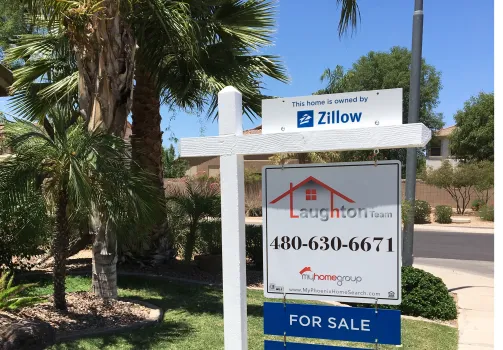
Zillow confirmed last week that it has removed climate risk scores from its home listings after real estate agents and homeowners complained the numbers were scaring off buyers. Until late last year, anyone searching for a house could see a wildfire, flood, or heat risk rating based on models built from peer-reviewed science. Those scores didn’t disappear because they were wrong, but because they were inconvenient.
Zillow’s decision lands especially hard in Los Angeles after the recent Palisades fires, where fast-moving flames forced evacuations and destroyed homes across the hills. Many of the families caught off guard had no idea how expensive or difficult wildfire insurance had become in their area. Others learned too late that their homes were considered high risk by insurers, even if real estate listings didn’t say so.
Climate disasters are reshaping the housing market whether sellers acknowledge it or not. Insurers are pulling out of fire-prone parts of California, and premiums are rising. Some homeowners are pushed into the bare-bones FAIR Plan or dropped entirely. And every year, fires like the ones in the Palisades make clear that risk information isn’t a luxury, but basic consumer protection.
Zillow says buyers can now click through to a third-party site to find the data themselves. But removing it from the listing puts the burden back on families who are already stretched by sky-high housing costs. Climate risk doesn’t vanish just because it’s harder to see. It shows up in evacuation orders, cancelled insurance policies, and the bills left behind when a hillside burns.
The Palisades fires were a reminder that climate change is already reshaping life on the Westside. Hiding the data won’t protect home values – it just leaves people less prepared for the next disaster.