
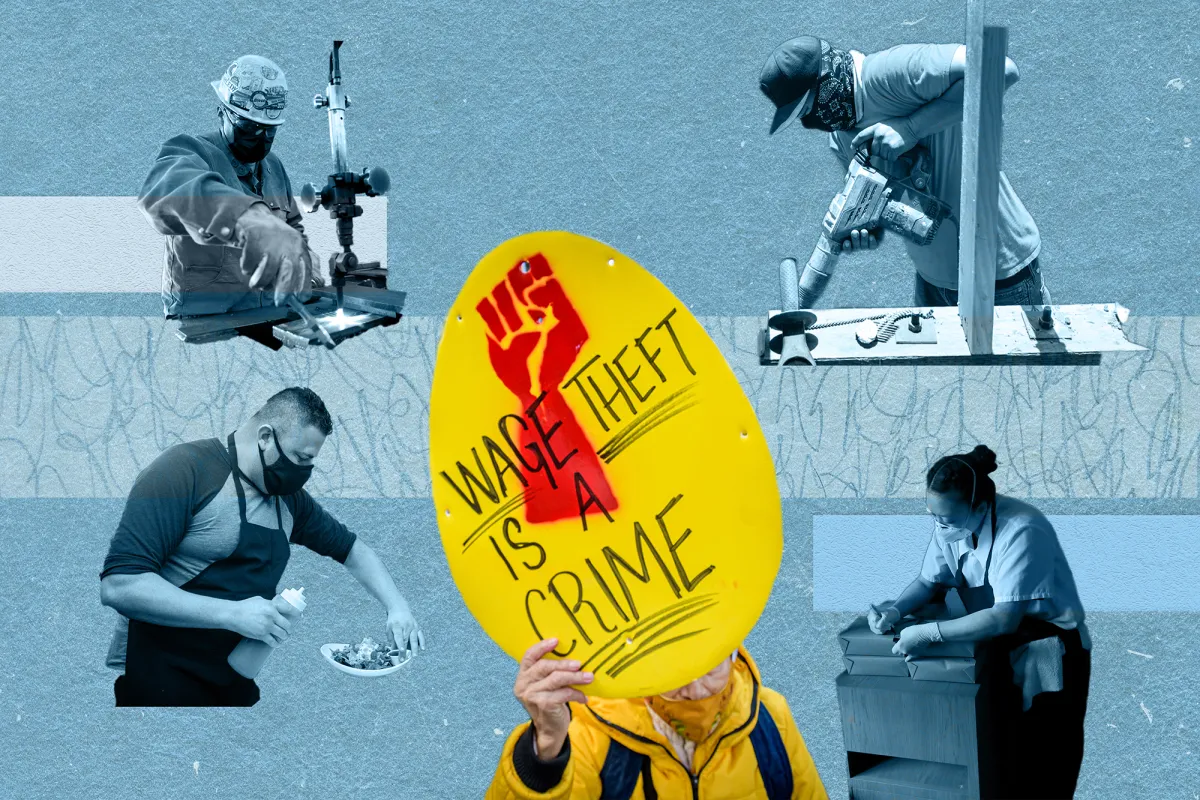
Los Angeles is called the wage theft capital of the United States for a reason. Workers here lose an estimated 1.4 billion dollars every year to employers who steal wages by forcing overtime without proper pay, denying breaks, or simply refusing to pay people what they have earned. Low wage Angelenos lose an estimated 12.5 percent of their annual income to wage theft, with immigrant workers suffering violations at twice the rate of US born workers.
That history is why the City Council has been considering a motion to strengthen enforcement. The proposal would give the Office of Wage Standards the tools to investigate unpaid overtime, skipped meal and rest breaks, late pay, and stolen tips. Under the current system, the City only enforces minimum wage violations. According to UCLA data cited in the motion, 80 percent of workers are not paid legally required overtime, 80 percent are forced to work through breaks, and 30 percent are paid less than the minimum wage. Wage theft is also one of the major drivers pushing families into homelessness, because loss of income is the most common reason leaseholders become unhoused.
The Chief Legislative Analyst’s report recommends expanding enforcement authority, prioritizing violations that impact the most vulnerable workers, allowing faster issuance of subpoenas, and creating a public database to expose employers who steal from their workers. The report estimates the improvements would cost roughly $2.8 million over nine months and would require 13 to 16 new enforcement staff between the Office of Wage Standards and the City Attorney.
Despite the scale of the problem and the clear recommendations from labor rights experts and community organizations, Councilmember Traci Park expressed skepticism that the City should act at all. At the December 2 meeting, she questioned whether the City needs anything in Los Angeles and suggested that enforcement should be guided by input from the business community, including identifying any exemptions it may want. Her comments signaled that employers accused of wage theft deserve a say in how the law is enforced, while the workers who are harmed remain unheard. That logic would sound unreasonable in any other context. When home burglaries spike in a neighborhood, we don’t ask the burglars what rules feel acceptable before enforcing the law. Yet Park treated wage theft, a form of theft against working people, as a matter of business preference rather than a serious crime.
Her position fits a broader pattern. Park recently opposed living wage protections for hotel and airport workers and has also resisted tenant protections after wildfire displacement by prioritizing the concerns of property owners over renters trying to stay in their homes. These examples show a consistent alignment with business, landlord, and corporate interests rather than with workers and tenants who bear the consequences of rising costs and weak protections.
Allowing the City to enforce wage laws properly is not just a policy improvement but a moral necessity that determines whether working families in LA can stay housed and fed. Low wage workers in restaurants, retail, cleaning services, security, and other sectors already struggle to stretch every paycheck in a city where the cost of living continues to outpace wages. When those wages are stolen, they lose the very income that keeps a roof over their heads and food on the table. The consequences ripple outward beyond individual households, because sudden loss of income is one of the strongest predictors of homelessness, and every dollar denied to workers increases the likelihood that families will fall into crisis. This urgency has only grown as fear spreads throughout immigrant communities due to the federal immigration crackdown, making workers less willing to come forward even when their rights are clearly being violated. Without strong enforcement from the City, employers can exploit that fear to steal wages with impunity.