
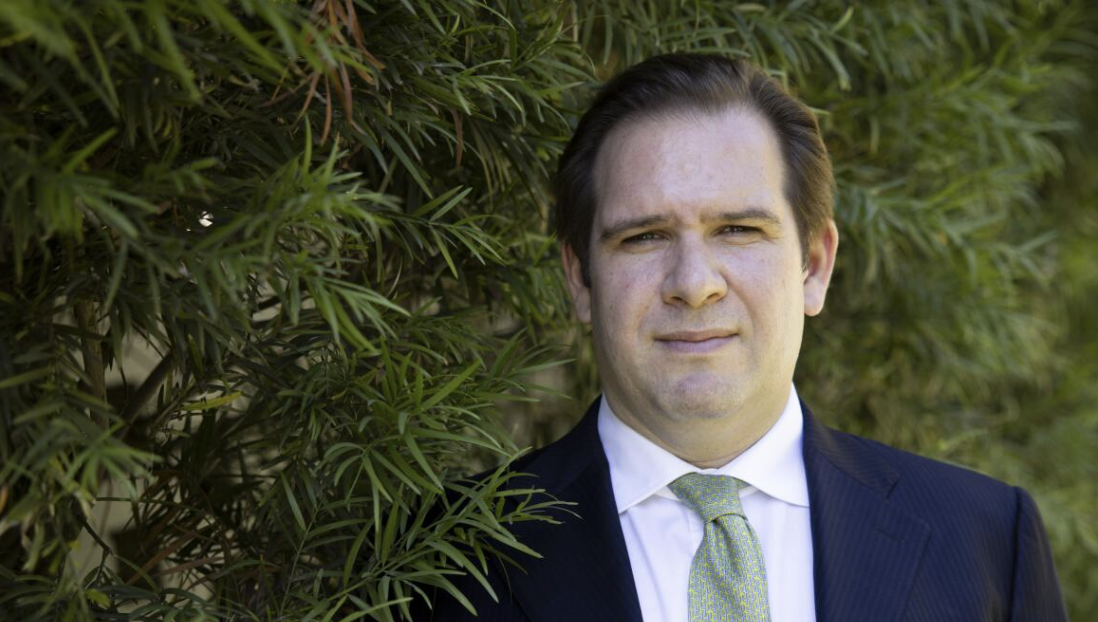
A loophole that civic reform groups spent years trying to close after a 2022 campaign finance scandal appears to have been quietly patched by the Los Angeles City Ethics Commission, foiling a deliberate strategy by controller candidate Zach Sokoloff to block incumbent Controller Kenneth Mejia from accessing public matching funds. Sokoloff’s own campaign consultant confirmed the strategy.
The city’s public matching funds program provides qualifying candidates with $6 for every $1 raised from city residents, up to a cap. To receive the funds, candidates must participate in a debate or, if their opponent refuses to debate, a town hall. Under the previous version of the Ethics Commission’s candidate guide, advancing to the town hall option required a written refusal from the opposing candidate. Sokoloff’s campaign identified that gap. By simply not responding to debate invitations rather than formally declining, they could prevent Mejia from ever triggering the town hall alternative. Rick Taylor, Sokoloff’s campaign consultant (who also happens to be CD11 Councilmember Traci Park’s former consultant), confirmed that this was the deliberate strategy.
Mejia, who does not have billionaire backing, applied for the matching funds. Sokoloff, who has outraised Mejia roughly 5-to-1, did not.
The tactic echoes a controversy that prompted years of reform advocacy. In 2022, Councilmember Gil Cedillo, now out of office following a redistricting scandal and a lost reelection bid, collected $136,000 in public matching funds while refusing to debate his opponents. Groups including Unrig LA, the California Clean Money Campaign, and the League of Women Voters demanded the Ethics Commission cancel the disbursement and close the loophole. The city had already tightened the debate rules once before. Prior to 2019, candidates could satisfy the requirement simply by signing a pledge to debate, regardless of whether any debate occurred. Reforms passed that year required actual participation. The 2022 Cedillo situation revealed that determined candidates could still circumvent the requirement by refusing to formally decline.
The Ethics Commission’s candidate guide now states that an opponent who “failed to respond to a reasonable invitation to debate” also satisfies the condition for a candidate to proceed to a town hall. The commission declined to comment on when the change was made.
Even setting aside the updated language, legal principles cut against Sokoloff’s position. California courts construe ambiguous regulations in light of their evident purpose, and the debate requirement exists specifically to ensure public accountability. An interpretation that allows a well-funded candidate to silently neutralize a grassroots opponent’s access to public funds would frustrate that purpose entirely.
Basic principles of statutory interpretation also hold that silence in response to a clear invitation can constitute a refusal when a response is plainly required. The legislative history reinforces this: Unrig LA’s advocacy documents state explicitly that the town hall option was introduced as a safeguard against opponents refusing to debate, not as a routine alternative to it. A candidate who deliberately engineers the conditions for a loophole may also face an estoppel argument, particularly where the underlying program has clear public policy objectives. Sokoloff’s campaign would likely counter that regulations mean what they say and the previous language was unambiguous. But that argument sits uneasily alongside a consultant’s on-the-record confirmation that the campaign was deliberately exploiting that language to deny a political opponent access to a public program.
The matching funds program exists specifically to help candidates without access to large private donations compete. Mejia, who was elected in November 2022 with 513,288 votes, a record for the most votes ever received by any candidate in Los Angeles city history, has drawn his support largely from small donors and progressive organizations. Sokoloff’s donor list reads differently. Campaign finance records show he received a maximum donation from former Activision Blizzard CEO Bobby Kotick, who appeared in the Epstein files in connection with arranging dinners with Jeffrey Epstein. Kotick was also reported by the Wall Street Journal to have been aware of sexual assault allegations at Activision and failed to inform the company’s board. Sokoloff also received donations from the wife and daughter of Leon Black, the Apollo Global Management co-founder who has been named as an associate of Epstein’s in FBI documents and who faces a civil lawsuit alleging assault at Epstein’s Manhattan townhouse.
On March 24, rather than acknowledging the strategy had failed, Sokoloff’s campaign issued a press release accusing the Ethics Commission of secretly rewriting election rules 70 days before the June primary. The release called the update the work of “unelected bureaucrats quietly rewriting public matching funds qualification standards behind closed doors” and demanded the commission revert to the previous rules, suspend matching fund disbursements, and defer any policy changes until after the election. The release did not mention that Sokoloff’s own consultant had publicly confirmed the campaign was exploiting the gap the update closed.
Mejia campaign manager Jane Nguyen told LA Material the episode was revealing. “This guy has all of the money in the world. He has donations from so many billionaires. And he’s trying to block a grassroots candidate who clearly doesn’t have as many wealthy donors from unlocking matching funds.”