
In April, the Santa Monica Bay Restoration Commission quietly voted to erase all mentions of “climate change” and “disadvantaged communities” from its annual work plan, without legal requirement or written mandate. The decision was driven by informal verbal guidance from the Trump administration’s EPA, prompting a wave of concern about self-censorship, political intimidation, and the quiet erosion of environmental and equity commitments.
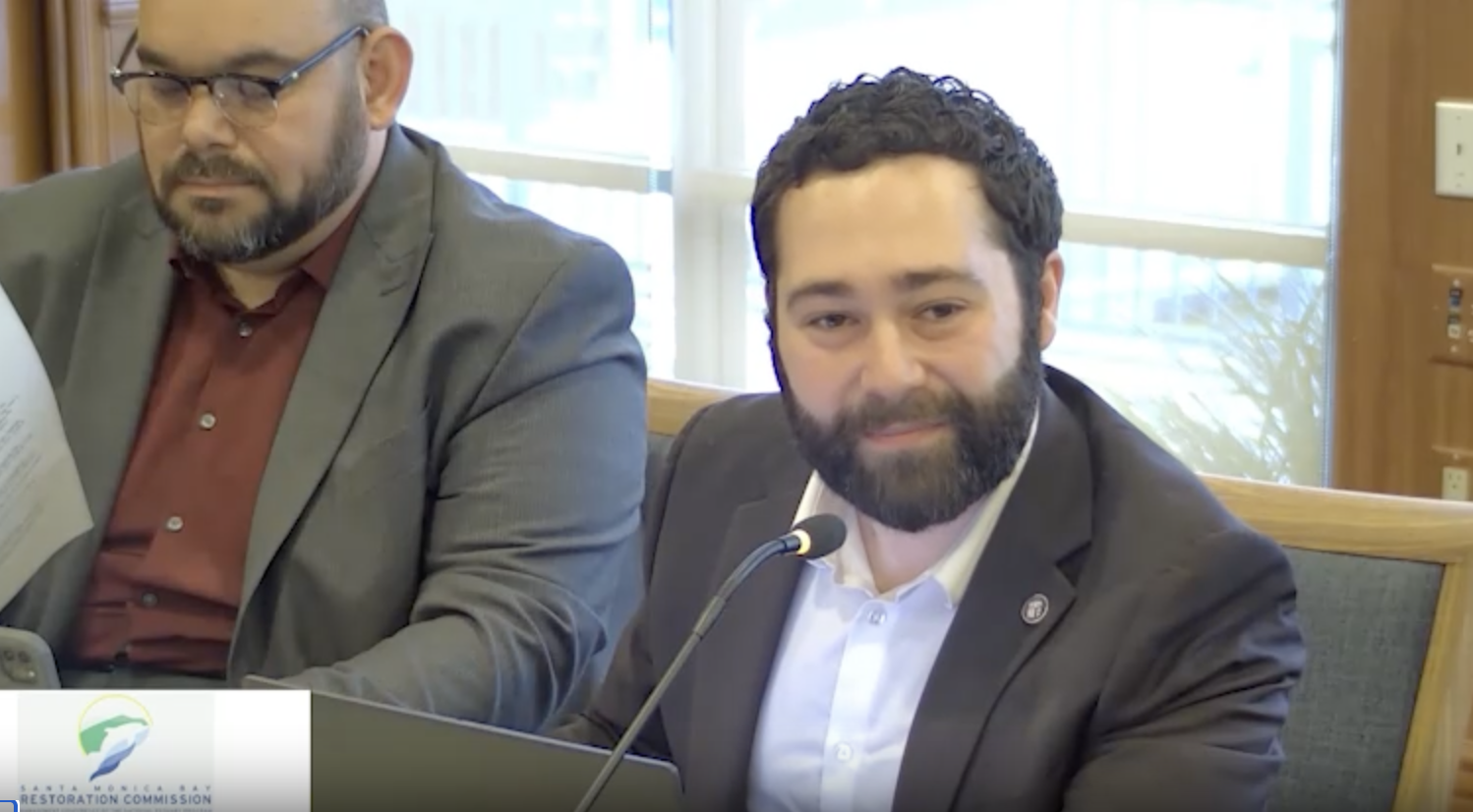
Councilmember Traci Park’s office voted in favor of the deletions through her appointed designee, Jacob Burman. At no point did Burman question the rationale behind the censorship, and he was the one who moved the Commission to vote for approval at the end of the meeting. The decision came just months after the January 2025 wildfire that ravaged Pacific Palisades, a disaster fueled by climate change’s role in creating hotter, drier conditions. Park has branded herself as a leading voice on fire safety and coastal resilience, yet neither she nor her office raised objections as climate change language was stripped from a foundational environmental document.
Commission staff acknowledged during the meeting that there was no written list of banned terms and no definitive threat to funding. The Clean Water Act gives local bodies significant discretion in how they draft their plans. Yet in the absence of any legal requirement, the Commission chose to proactively delete references to “climate change,” “environmental justice,” and “disadvantaged communities.”
The decision sparked sharp criticism during the public comment period.
“I’m stunned by what I’m hearing today,” said Walter Lamb of the Ballona Wetlands Land Trust. “You don’t want the inconvenience of a negotiation. That’s what’s driving this.”
Marcia Hanscom warned the Commission it would go down in history as “the first state entity to bow to the autocratic demands of a White House that is not following the law.”
A statement from Gabrielle Crowe of the Gabrielino Shoshone Nation, read into the record, criticized the Commission for “voluntarily changing wording in work plans to delete that commitment to BIPOC communities due to fears of funding being pulled.”
Another speaker put it bluntly: “What do we tell our children, next generation? Get the money and do what you don’t believe in?”
Despite having over a month before the federal submission deadline, the Commission chose not to consult with the California Attorney General’s office, seek clarification, or push back. There was no effort to delay the vote for additional legal review. Instead, members moved swiftly to approve a plan that no longer includes basic climate or equity terminology, setting a precedent that many fear will ripple through other agencies.