
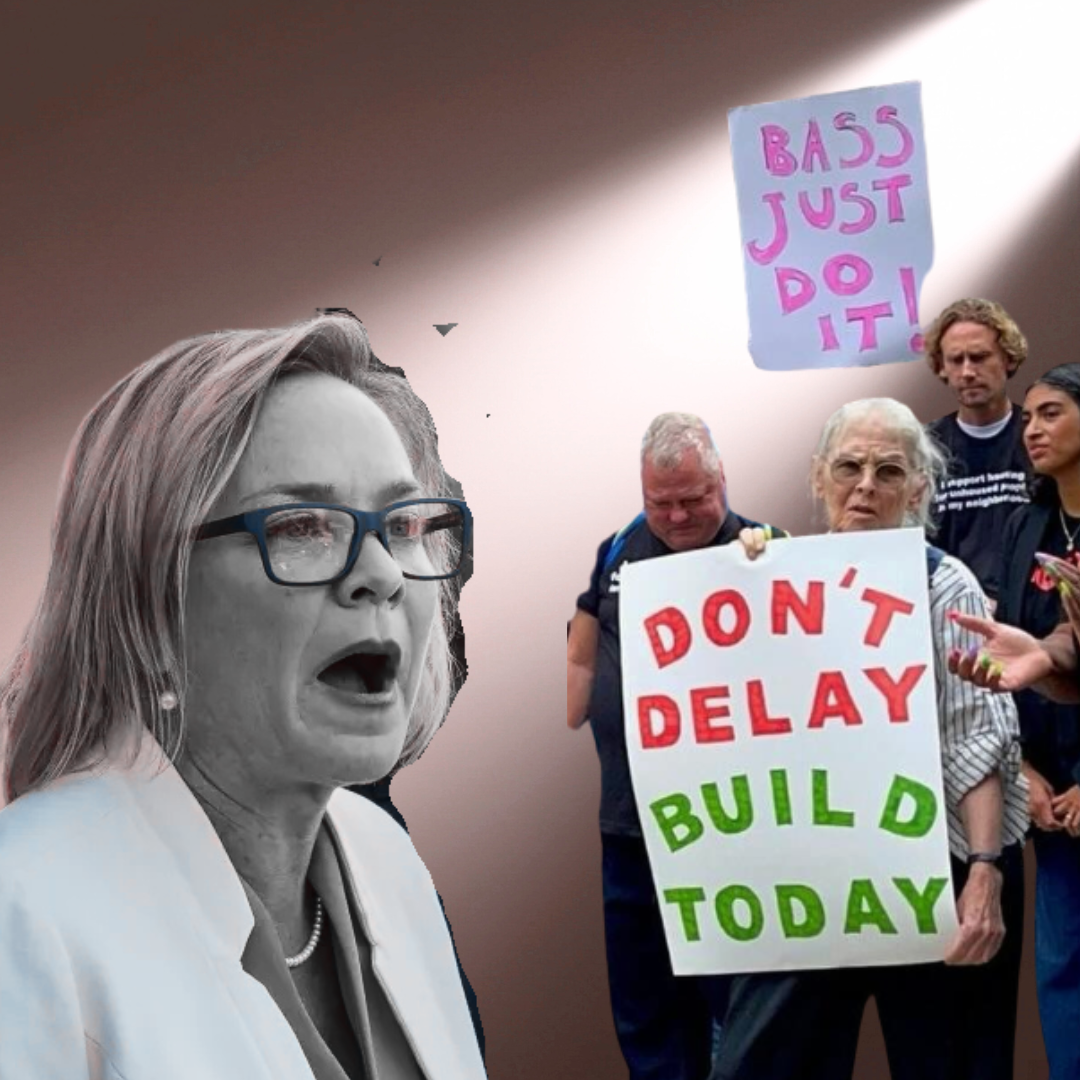
A long-running fight over a small city-owned parking lot in Venice has again broken out of the local news bubble and into the national spotlight. This week, Politico devoted a full story to the Venice Dell Community project, a proposed affordable housing development that has been stalled for years despite securing funding, approvals, and a development agreement. The attention is striking not because Venice Dell is unique, but because it has become a clear example of how local political resistance can still derail housing even under California’s strongest pro-housing laws.
The project would place 120 affordable and supportive homes on public land just inland from Venice Beach, one of the most expensive housing markets in the country. It has been vetted through a competitive process, approved by the City Council in an earlier term, and awarded tens of millions of dollars in state funding. Yet it remains unbuilt, caught in repeated delays driven largely by Councilmember Traci Park, who represents the area.
Politico frames Venice Dell as a growing problem for Los Angeles at the state level. Housing officials in Sacramento are now openly threatening consequences, including withholding funding and stepping in on zoning authority, after the city moved to block the project outright. The warning is blunt. If Los Angeles refuses to build housing on its own land, even when projects comply with state law, it risks losing control over future decisions.
What elevates this from a routine planning dispute to a national story is the role of local elected leadership. Venice Dell has faced sustained opposition from Councilmember Park, who has questioned the project’s cost, design, and location while floating alternative uses for the site. Housing advocates argue that these objections ignore years of planning work and reflect a broader pattern of Westside resistance to affordable housing, even as the city declares a homelessness emergency.
That pattern does not exist in isolation. Park has recently taken other positions that have drawn sharp scrutiny well beyond Los Angeles. Amid intensified ICE raids, she has opposed sanctuary protections that are the bare minimum level of protection for the city’s immigrant community. After the Palisades fires, she went so far as to publicly reject the role of climate change at a moment when scientists and emergency officials were warning about worsening fire conditions. Each stance has national resonance in a city often viewed as a bellwether for progressive governance.
For residents who have followed the Venice Dell saga for years, the national coverage feels overdue. Community groups and nonprofit developers have warned that the project’s treatment sends a chilling signal about building affordable housing in high-resource areas. If a publicly owned site with funding and approvals can still be stopped, they argue, then no project is truly safe from political opposition.
The bigger picture now visible far beyond Venice is about leadership and priorities. Venice Dell has become a referendum not just on one development, but on a governing approach that blocks solutions while courting controversy. That is why this local fight has become a national story, and why it is increasingly seen as a signal that District 11 is at an inflection point, with pressure mounting for a major change in direction.