
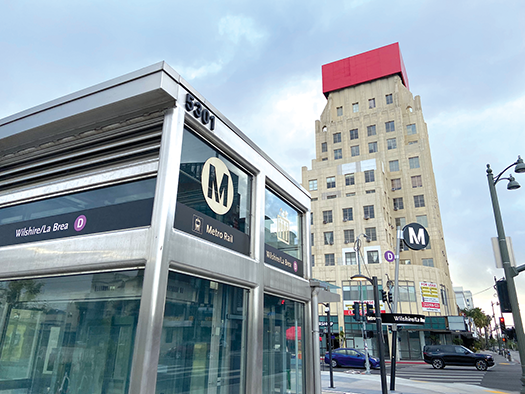
Less than a month before California’s most significant transit-oriented housing law was set to take effect, the Los Angeles City Council voted to delay it.
On June 3, the council adopted two ordinances designed to postpone implementation of Senate Bill 79 before its July 1 effective date. The move capped a strategy that Mar Vista Voice has tracked since last fall and traces back to Councilmember Traci Park, who led the council’s opposition to SB 79 while it was moving through Sacramento and later authored the motion directing city staff to explore ways to slow its rollout after it became law.
Authored by Scott Wiener and signed by Gavin Newsom in 2025, SB 79 requires cities in transit-rich counties to allow more housing near rail stations and major bus corridors. In Los Angeles, the law could eventually open roughly 150 transit station areas to apartment buildings ranging from five to nine stories on land currently zoned for far less housing.
Rather than allowing the law to take effect on July 1, Los Angeles adopted a “phased implementation” strategy. One ordinance delays SB 79 citywide until after the city’s next Housing Element update, potentially pushing implementation back several years. A second ordinance creates a city-run program encouraging smaller multifamily projects near designated transit stations. Together, the measures effectively substitute the city’s preferred approach for the state’s.
The timing is notable. Los Angeles originally hoped to adopt its ordinance by March so the state could complete its required review before SB 79 took effect. Instead, the council approved the measures on June 3 and attached urgency clauses allowing them to take effect immediately. As a result, Los Angeles will have local delay measures in place when SB 79 takes effect statewide on July 1.
Housing advocates remain divided. Some groups have supported targeted delays in neighborhoods facing displacement pressures. Others, including Abundant Housing LA, argue that a citywide pause undermines the law’s purpose of opening high-resource and transit-rich neighborhoods to more housing.
For Mar Vista, the direct effects are likely to be limited, since most of the neighborhood falls outside SB 79’s transit zones. But housing markets are regional. Even if the law would have produced little housing in Mar Vista itself, delaying new homes near transit elsewhere in Los Angeles reduces opportunities citywide and prolongs the housing shortage SB 79 was designed to address.