
A federal judge has again found that the government is blocking immigrant detainees in Los Angeles from meeting with their attorneys, issuing a sweeping preliminary injunction that forces federal immigration agencies to comply with basic constitutional standards inside the B-18 detention facility downtown. The ruling builds on a temporary order Judge Maame Ewusi-Mensah Frimpong issued in July, which required the facility to open seven days a week for legal visitation and guarantee detainees access to free, confidential phone calls with their attorneys.
In her new order, Judge Frimpong wrote that even after months of litigation and repeated court directives, the federal government is still “partially blocking access to lawyers.” The evidence presented by both sides, she wrote, shows that attorney visits continue to be shut down without proper notice, conversations are being monitored by guards standing inside the doorway, detainees are being moved to locations that do not allow lawyer visits at all, and confidential phone calls have not been provided as required. She noted that in some instances the facility was closed because of peaceful protests occurring miles away, even though the court had specifically ordered that any shutdown must be promptly reported and last only as long as reasonably necessary.
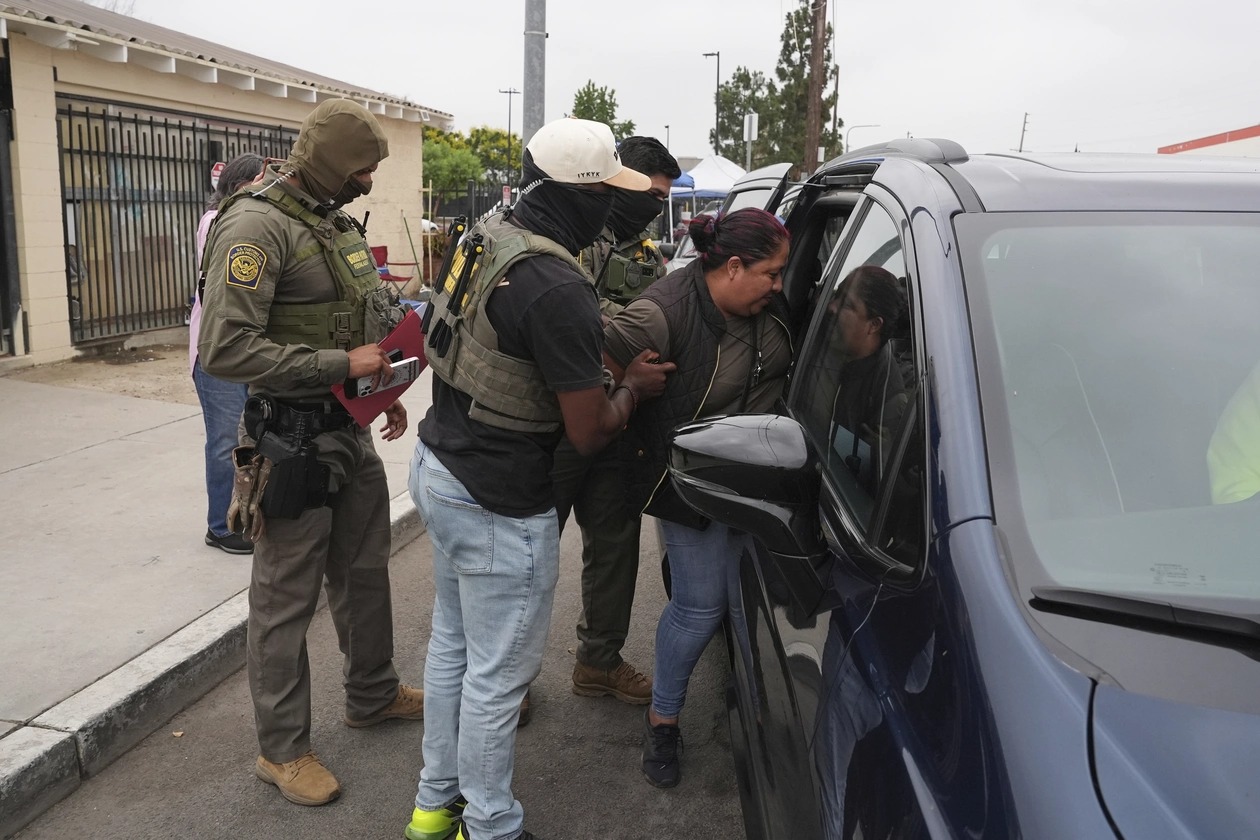
The plaintiffs in the case, represented by Public Counsel, the ACLU, immigrant rights groups, and private attorneys, describe a pattern of systemic civil rights violations that goes far beyond access to counsel. They allege that federal agents have targeted brown-skinned people in Home Depot parking lots, at bus stops, and at carwashes throughout Southern California, relying on race rather than reasonable suspicion to justify warrantless arrests. Some agents have failed to identify themselves, as required by federal law, leaving people unsure whether they were being questioned by immigration officials or by local law enforcement. One of the plaintiffs is a U.S. citizen who was detained despite showing identification.
Mark Rosenbaum of Public Counsel said the ruling reinforces a simple truth that the Constitution does not disappear when someone is taken into custody. He said the government’s tactics in Los Angeles have aimed to dehumanize Latino communities, isolate people arrested in raids, and make it nearly impossible for them to talk to legal counsel or report racial profiling. He also noted that attorneys did not begin receiving notice of facility closures until September 10, months after the court required timely notice. Even then, lawyers were regularly forced to meet clients with the door open and guards listening, undermining private conversations that are essential to preparing a defense.
Government attorneys argued last month that detainees already have access to counsel and that earlier disruptions stemmed from protests related to the region’s heightened immigration enforcement. They said conditions have normalized and insisted the government intends to comply even without a court order. The judge rejected that argument, denied the government’s request to pause the injunction while it appeals, and ordered full compliance for the duration of the case. Legal visitation must continue seven days a week, at least eight hours per weekday and four hours per weekend day or holiday. Private rooms for closed-door discussions must be provided, and confidential calls cannot be monitored, screened, or recorded.
The lawsuit remains very much alive despite an earlier Supreme Court order lifting Judge Frimpong’s temporary block on racial profiling. Last month, she approved expedited discovery on whether the raids violate the Fourth Amendment’s protections against unreasonable search and seizure. The government must now turn over documents and witnesses related to approximately 15 specific raids and broader operational practices.
This ruling arrives at a moment when Los Angeles is witnessing some of the most aggressive immigration enforcement in years, including the Home Depot sting in Westlake where agents used a rental truck to lure day laborers, a raid that advocates say violated a federal court order. For people held inside B-18, the court’s latest intervention means that the government cannot continue locking them away while cutting them off from lawyers who could defend their rights.