
The U.S. Border Patrol is now monitoring millions of drivers across the country through a secretive surveillance program that tracks license plates and flags so called suspicious travel patterns. A sweeping investigation by the Associated Press shows how a federal agency once limited to border enforcement has built a nationwide system that depends on data flowing upward from local police and private surveillance vendors.
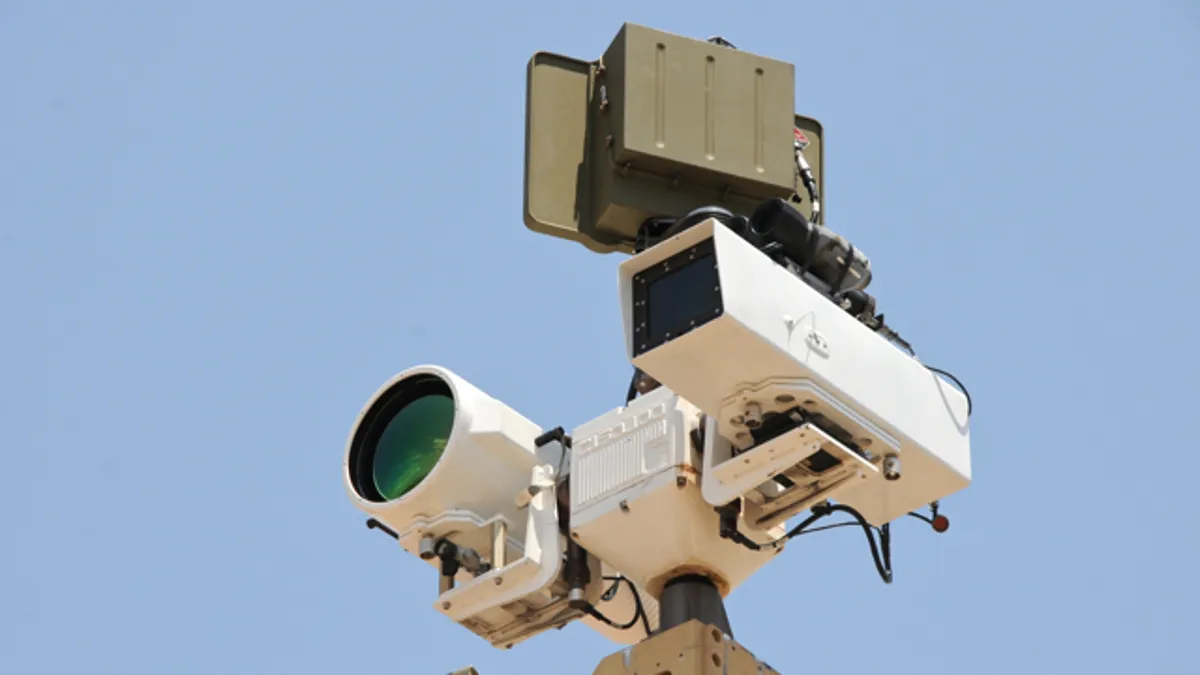
Border Patrol cameras hidden along highways scan license plates and record where vehicles came from, where they are going, and which routes they take. Algorithms analyze that data for anomalies, such as short trips, overnight stays near the border, or the use of rental cars. Federal agents then alert local law enforcement, which carries out traffic stops for minor violations like speeding or a broken taillight. These encounters, known as whisper stops, are designed to conceal the federal role while local officers search and interrogate drivers who have been flagged by federal surveillance.
What the AP makes clear is that this system cannot function without local participation. Border Patrol does not rely solely on its own cameras. It draws heavily on license plate readers operated by local police departments and on data purchased or shared by private companies. For a period of time, Border Patrol had access to more than 1,600 license plate readers run by Flock Safety across 22 states. In some jurisdictions, local agencies actively searched license plates on Border Patrol’s behalf, even in states like California where sharing data with federal immigration authorities is restricted by law. The federal dragnet is built on local infrastructure.
That reality has direct consequences for Los Angeles. LAPD has repeatedly stated that it does not share data with ICE or Border Patrol, yet public records and past reporting show that immigration authorities have accessed local surveillance data through regional databases and shared systems. The AP investigation confirms that this kind of access is not an aberration but a core feature of modern law enforcement architecture. Once data enters a shared platform, federal agencies can search it without making a formal request to the city. Local policy promises offer little protection when the systems themselves are designed for interoperability.
LAPD’s expansion of real time crime centers further tightens this connection. These centers consolidate license plate scans, live camera feeds, geolocation data, and predictive analytics into centralized command posts that allow officers to act on algorithmic alerts in real time. When Stop LAPD Spying requested records about these centers, the department claimed none existed. Less than three weeks later, an officer acknowledged that a real time crime center had already been operating in Central Division. These hubs are precisely the type of systems that can ingest data from vendors like Flock and route it into the same regional and federal networks described by the AP. They are not isolated local tools. They are nodes in a national surveillance web.
The AP also found that Border Patrol has worked aggressively to keep this web hidden. Federal officials have instructed local agencies to withhold records, disguised cameras as traffic equipment, and communicated through encrypted group chats with disappearing messages enabled. Locations of cameras are treated as secrets. The intent is not just surveillance, but deniability. Local police carry out the stops. Federal agents stay in the background. And the people targeted rarely learn that their daily movements triggered an algorithm miles away.
Los Angeles is moving deeper into this system as it prepares for the 2028 Olympics. Major international events have historically been used to justify expanded surveillance and closer coordination with federal agencies, particularly around immigration enforcement. Security infrastructure installed for the Olympics is unlikely to be dismantled afterward. Instead, it becomes permanent, further entrenching the same data sharing pipelines that power Border Patrol’s nationwide program.