
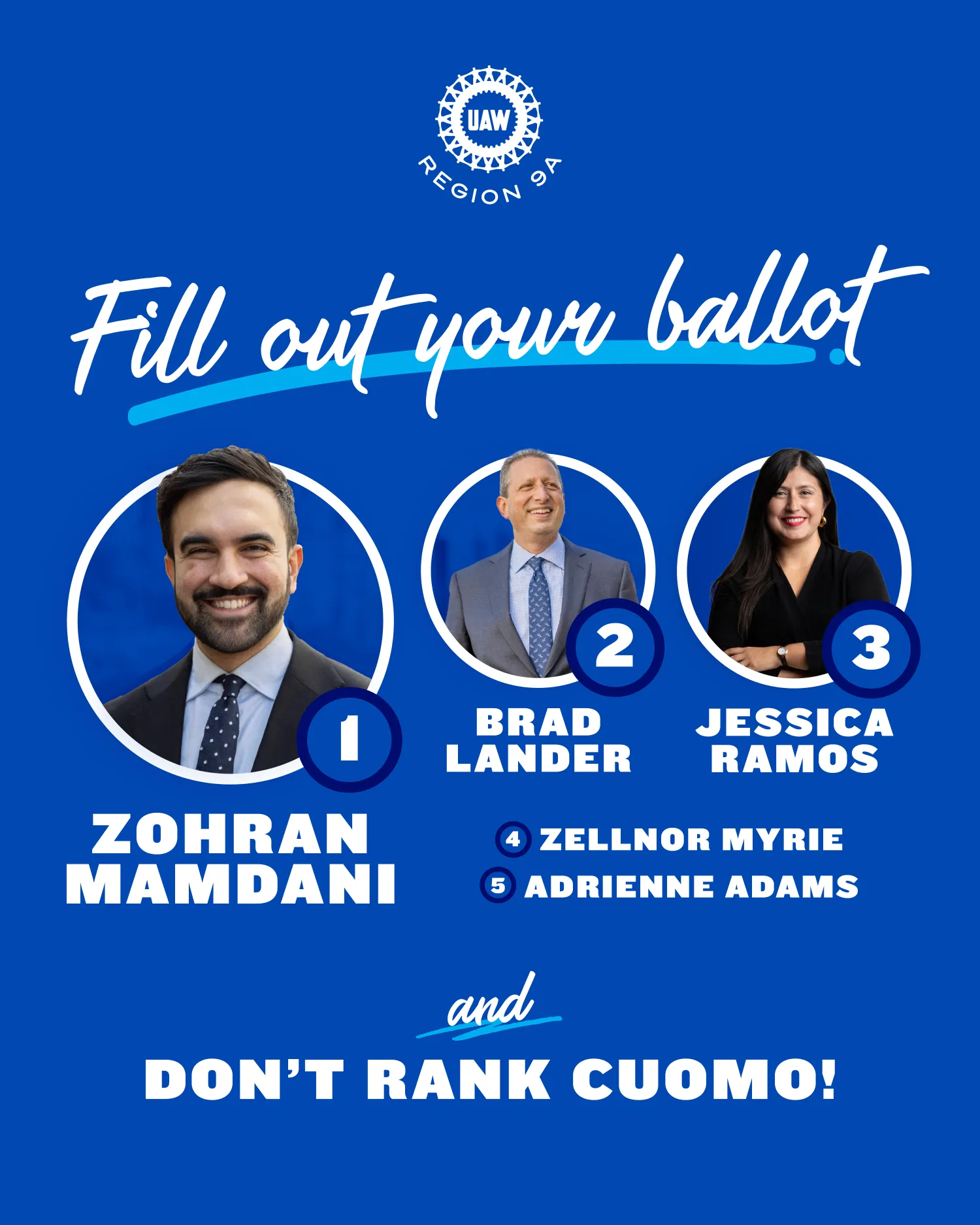
When the Los Angeles Charter Reform Commission delivered its recommendations this year, ranked choice voting appeared to have a real chance of reaching the ballot. The proposal was part of a broader package of democratic governance reforms designed to address the systemic failures exposed by a steady hum of corruption at City Hall, culminating in the Fed Tapes scandal. But at the end of the day, City Council tanked ranked choice voting along with other significant reforms that were either rejected outright or “referred for further study.”
For many supporters, City Council’s decision to bury ranked choice voting feels like the end of the road, but an effort is underway to keep the momentum alive. Community organizer and former California State Senate candidate Zennon Ulyate-Crow has spent the weeks since the charter reform vote laying the groundwork for a potential citizen initiative that would place ranked choice voting directly before LA voters. Instead of waiting years for another committee process, he hopes to build the kind of coalition that could qualify a charter amendment independently. “We’ve given them years to do these changes,” Ulyate-Crow said. “This is the exact moment that a citizen initiative is designed for, the moment where entrenched powers within our politics won’t make the reforms that are needed to make democracy better for everyone.”
Election rules can feel abstract and removed from the policies they produce, but they sit upstream from nearly every political debate that follows, whether it’s who gets elected, which coalitions can build power, or which policies actually make it into law. Changing those rules from LA’s current “jungle primary” system to ranked choice voting is transformative because it tweaks all of those incentives.
Under the current system, so-called “spoiler” candidates are discouraged from running at all, and organizers spend months trying to persuade candidates with similar politics to consolidate behind a single campaign. Voters are asked to think strategically, placing more weight on who they believe has the best chance of winning than on who they actually want to represent them. Over time, those calculations narrow the range of “viable” candidates and leave voters feeling cynical and disillusioned, like they can never be honest with their vote.
Ranked choice voting changes that dynamic. Instead of selecting a single candidate, voters rank candidates in order of preference. If no candidate receives a majority of first-choice votes, the candidate with the fewest votes is eliminated and those ballots are redistributed according to each voter’s next choice. The process repeats until one candidate receives majority support. Rather than asking voters to predict the outcome before they vote, the system lets them support the candidate they prefer while still expressing backup choices in case that candidate is eliminated.
Ulyate-Crow saw those dynamics firsthand during his campaign for State Senate. Although the race included candidates from across the political spectrum, there were only two candidates running from the progressive lane. “The worry is always, ‘What if we split the vote?'” he said. That concern can become larger than the campaigns themselves, with conversations shifting away from ideas and toward strategy.
Ranked choice voting reform also changes the incentives facing campaigns, rewarding candidates who remain friendly with their rivals instead of tearing them down. Under a ranked choice system, earning someone’s second-choice vote carries real value, so candidates have an incentive to persuade supporters of other campaigns rather than alienate them. After all, today’s opponent may represent tomorrow’s second-choice votes.
The citizen initiative is also a way to pressure City Council to act sooner. The charter reforms that were postponed this year are expected to move through another ad hoc committee in 2027 and 2028. One of Ulyate-Crow’s central arguments is that simply organizing the initiative changes the political landscape, even before a single signature is collected. Qualifying a ballot measure is the obvious goal. But the credible threat of that campaign while City Council deliberates on those reforms could be enough on its own, pushing City Council to put ranked choice voting before voters itself rather than let an outside effort take the lead. Seen this way, the citizen initiative isn’t just an alternative to legislative action, but also leverage to encourage it.
Ulyate-Crow emphasized that organizing this initiative will not be easy. Amending the Los Angeles City Charter requires signatures equal to 15 percent of registered city voters, meaning organizers would likely need to collect hundreds of thousands of signatures after accounting for invalid petitions. A campaign of that size would require substantial funding, legal guidance, coalition partners, and an extensive volunteer operation. Those conversations are already underway.
During public comment after City Council voted to remove ranked choice voting from the charter reform package, Ulyate-Crow argued that the repeated decision to send reforms away for “further study” had become a governing strategy rather than a temporary delay.
“I’m tired of things being referred for further study,” he told councilmembers. “If you don’t work on these reforms, they will come for you. The citizens can do a ballot initiative.”
The campaign remains exploratory, and organizers acknowledge that many questions still need answers before a formal initiative can be filed. One of the first opportunities for Westside residents to learn more will come later this summer, when Laura Arbios hosts a public conversation at Sadie’s in Westchester. Rather than simply explaining ranked choice voting, the event will let attendees use it themselves by ranking performers in a live demonstration while organizers discuss the proposed initiative and answer questions about the campaign. Arbios has increasingly opened Sadie’s to civic conversations, and sees the space as an opportunity to help neighbors better understand the institutions that shape everyday life.
Readers interested in attending the event, following the campaign, or helping build the coalition can sign up through the initiative’s interest form.