
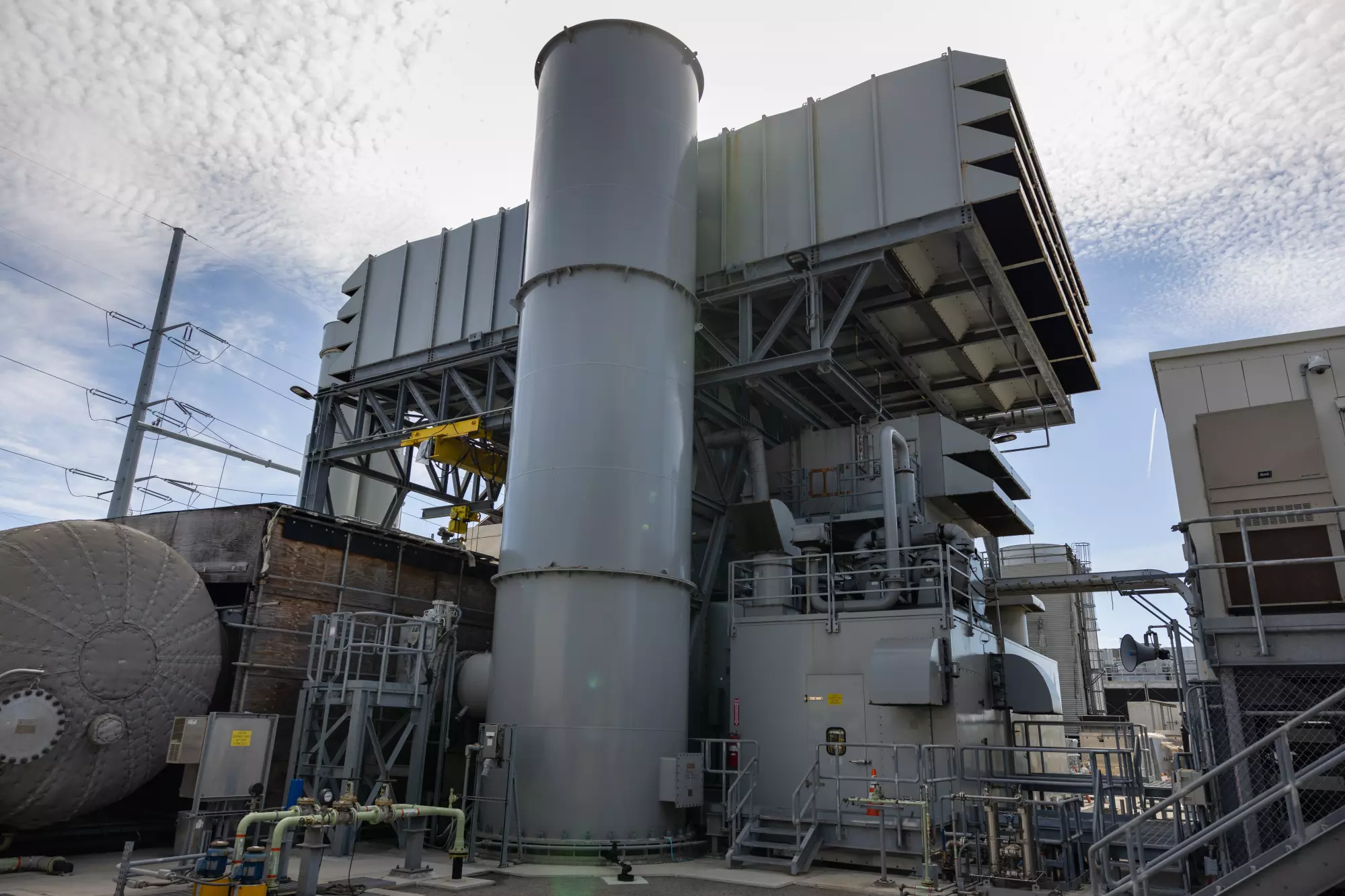
Los Angeles promised a transition to 100 percent clean energy, but the future still looks a lot like the past on the edge of Playa del Rey. The Scattergood Generating Station, a coastal power plant built in 1958, is supposed to retire its gas burning units by 2029. Instead, the Los Angeles Department of Water and Power wants to keep the plant running for decades by pouring hundreds of millions of public dollars into a technology that does not yet exist at scale.
The idea is to convert Scattergood into what they are calling a green hydrogen facility. But hydrogen is not mined from the ground. It must be manufactured with huge amounts of energy and water. And until there is a truly green supply, the plant would still run mostly on methane gas. Even in the best scenario presented, Scattergood would burn around 70 percent methane blended with hydrogen. As former Councilmember Paul Koretz put it, SoCalGas lobbyists “looked me in the eye and told me they intended to use hydrogen to keep the methane flowing for as long as possible.” For a project that could cost over 800 million dollars before accounting for hydrogen fuel and infrastructure, that means locking in fossil fuels under a different name.
The health risks would also continue. Hydrogen burns hotter than methane, creating more nitrogen oxide pollution, one of the main drivers of asthma. Scattergood sits near homes, schools, and neighborhoods already surrounded by pollution from LAX, refineries, and traffic. Hydrogen is more explosive, has a higher leak rate, and burns with an invisible flame. After the January fires that tore through the Westside, residents question why the city would introduce another volatile fuel into a community already on edge.
What’s more, the city’s environmental review did not examine the true impacts of this plan or analyze the amount of water that would be needed to produce hydrogen. It did not account for real alternatives such as battery storage and distributed solar that are already being deployed across the state, and it failed to include the combined effect of repowering other coastal plants with hydrogen, even though LADWP openly plans to do exactly that in the years ahead. Environmental organizations say the city violated basic requirements of California’s environmental laws by ignoring these issues.
Those groups, including Sierra Club, Food and Water Watch, and Los Angeles Waterkeeper, filed an appeal on November 14. The case is now sitting in the Energy and Environment Committee and the City Council must decide whether to hear it. Until they do, the public has no guarantee of another chance to weigh in on a decision that could cost billions and shape Los Angeles energy policy for decades.
Supporters of real clean energy are asking a simple question. Why would the city spend so much on old fossil fuel infrastructure when battery storage and smart grid investments can meet the same reliability needs without the pollution and risks? Now residents are urging their representatives to put the appeal on the agenda, listen to community concerns, and choose investments that protect families and the climate.