
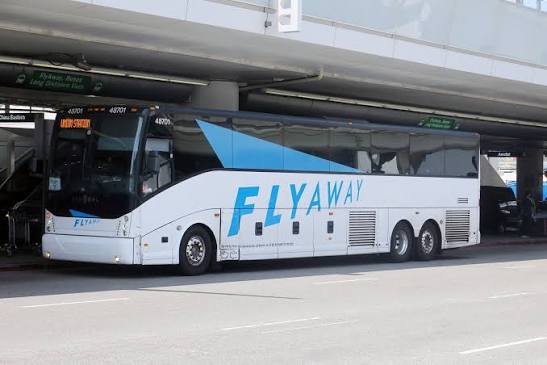
Just in time for Thanksgiving, Los Angeles World Airports (LAWA) raised the fare for its FlyAway airport bus service from $12.75 to $15 each way, the second fare increase in less than two years. As recently as April 2025, a one-way ticket cost $9.75, representing a nearly 54% increase in just 19 months.
In January 2025, the Board of Airport Commissioners authorized LAWA’s chief executive to raise FlyAway fares to a maximum of $15 over the following five years. LAWA cited rising operating costs and a $1.65 million budget shortfall to justify the initial fare increase. Less than two years later, the fare has already reached the maximum authorized by the board.
For a family of four paying full fare, taking the FlyAway to and from LAX now costs $120, making the bus less financially attractive relative to a rideshare, especially for people traveling in groups.
The fare increases follow years of reductions in FlyAway service. In 2019, LAWA discontinued its Westwood route, citing low ridership, eliminating a direct airport bus connection for Westside residents. The Hollywood and Long Beach routes were discontinued the following year, leaving only the Union Station and Van Nuys routes in operation.
There have, however, been some improvements to public transportation access to LAX. In June 2025, Metro opened its LAX/Metro Transit Center, providing access to the airport via the C and K rail lines and several bus routes. A one-way Metro fare costs just $1.75, including free transfers within two hours when using TAP.
The free shuttle was supposed to be a temporary measure until the opening of the airport’s automated People Mover, which should connect the transit center directly to the airport terminals. Originally scheduled to open in 2023, the $3.3 billion People Mover is now $1.4 billion over budget. In September, the project suffered yet another setback when four electrical explosions occurred during testing, damaging portions of the tracks. Footage in October showed a massive electrical blast erupting shortly after a test train passed. Although repairs have since been completed, the contractor has pushed back its projected opening date yet again, this time to March 2027.
Meanwhile, LAWA continues to invest heavily in infrastructure for cars. As MVV reported last November, the Board of Airport Commissioners unanimously approved $1 billion in additional funding for a massive roadway expansion at LAX, despite concerns about declining passenger demand and the additional vehicle miles traveled the project would generate.
Construction is now underway on the project, which encompasses 4.4 miles of reconfigured roads. In August, LAWA announced that it had secured $289 million in federal funding for the project. The new airport entrance roads are scheduled to open in May 2028, with the entire project expected to be completed in mid-2030.
When MVV covered the roadway expansion last year, expanding FlyAway service was among the alternatives to building more roads. Instead, a year later, LAWA is making it more expensive to take the bus.
The $1.65 million operating shortfall LAWA cited when it initially raised FlyAway fares amounts to roughly one-tenth of one percent of the estimated $1.5 billion cost of the roadway project. While capital projects and operating expenses are funded differently, the disparity raises questions about LAWA’s transportation priorities.
An affordable and reliable airport bus service provides benefits well beyond those enjoyed by its passengers. Fewer cars traveling to and from LAX means less traffic congestion and air pollution, especially in the Westside communities surrounding the airport.