
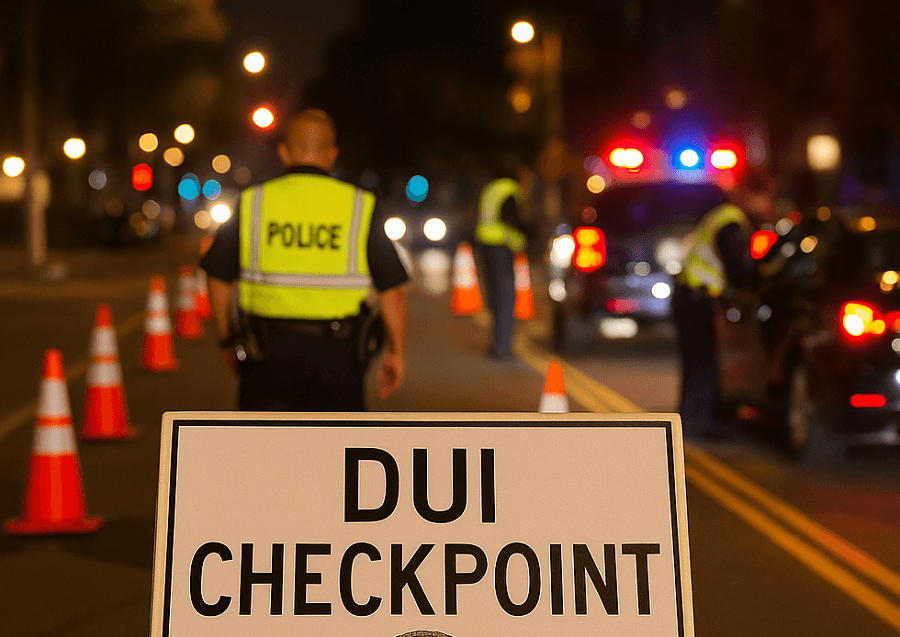
Drivers traveling through Mar Vista Friday evening should expect delays as LAPD sets up a DUI checkpoint at Venice Boulevard and Centinela from 6 p.m. to 11 p.m. The department says the operation aims to deter impaired driving and reduce traffic injuries.
Preventing impaired driving is obviously a huge priority. People are killed and seriously injured every year because of drunk driving. But if we care about public safety, we can’t stop the conversation at enforcement. LA is built for driving first (and second and third). In too many neighborhoods, including Mar Vista, there are very few safe, reliable ways to get to dinner, a concert, or a friend’s place without getting behind the wheel. And when late-night transit is sparse, sidewalks feel unsafe and bike networks don’t connect.
People are responsible for their own actions, but a transportation system that requires nearly every evening outing to end with a car trip increases the risk that people’s individual choices will have deadly consequences. Preventing impaired driving requires addressing both individual behavior and the built environment that shapes it.
DUI checkpoints also raise significant civil liberties concerns, especially in the current environment. By design, they stop large numbers of people without any individualized suspicion. Critics have long noted that checkpoints can lead to impounds and citations unrelated to impaired driving, burdening low-income and immigrant communities most.
A real safety-first approach asks bigger questions. Do people have a bus or train they trust after dark? Can they walk or bike home without risking their lives? Are we building neighborhoods where you don’t need a car for every trip?
For Friday night, plan ahead. Take public transit if possible, get a sober ride or take a rideshare, but in the long run, we should invest in a city where the safest choice for going out on a Friday night is also the easy choice.