
A federal judge has issued one of the most serious legal rebukes yet of Los Angeles’ handling of encampment sweeps, ruling that the City fabricated and altered evidence in a case about the seizure and destruction of unhoused people’s property.
In a decision issued this week in Garcia v. City of Los Angeles, the court found that the City engaged in repeated misconduct over years of litigation, including fabricating key records it had relied on to justify sweeps. The judge imposed terminating sanctions and ruled in favor of the unhoused plaintiffs, concluding the City’s conduct made a fair trial impossible.
The case centered on a practice that has become routine across Los Angeles. Sanitation crews seize and destroy tents, medications, tools, documents, and other belongings during encampment cleanups. The City has long argued that these actions are necessary to address immediate public-health and safety threats. But according to the ruling, some of the very documents used to justify those actions, including inspection reports and hazard checklists, were fabricated or altered. The court found the misconduct was not accidental, concluding the City acted with willfulness, bad faith, and fault.
That finding goes to the heart of a debate that has been playing out in LA for years. City officials often claim that sweeps are carefully documented, narrowly targeted, and conducted to protect public health. This ruling calls those assurances into question and raises deeper concerns about how decisions to destroy property are made in the first place.
For people living outside, the loss of property is not just an inconvenience. It can mean losing identification needed for housing applications, medications needed to stay healthy, or tools needed to work. Each loss pushes stability further out of reach, even as the underlying causes of homelessness such as soaring rents, a severe shortage of affordable housing, and inadequate shelter, remain unchanged.
This is also not the first time courts have intervened in the case. Earlier rulings barred the City from seizing and destroying large personal items under parts of the municipal code, and at one point the court found the City in contempt for failing to comply with those orders. What makes the latest ruling different is the finding of fabrication, a rare and serious sanction that strikes at the credibility of the City’s entire defense.
The timing matters. Sweeps have accelerated in recent years and are often presented as a central tool for addressing homelessness. Politicians routinely highlight encampment removals in newsletters and social media as evidence of progress. That has been especially visible on the Westside. In Council District 11, sweeps have intensified under Councilmember Traci Park, with frequent enforcement actions, expanded restricted zones, and highly publicized cleanups promoted as improvements to public safety and quality of life. Residents across the Westside have watched encampments cleared again and again, often seeing the same people reappear nearby days or weeks later.
The court’s ruling underscores a harder truth that many Angelenos already recognize: clearing an encampment does not solve homelessness. At best it moves people from one block to another. At worst it destroys the few possessions people have left and makes it even harder for them to stabilize or find housing. It also raises a deeper question about accountability. If the City’s own records cannot be trusted in court, how should the public evaluate claims about the effectiveness or necessity of sweeps?
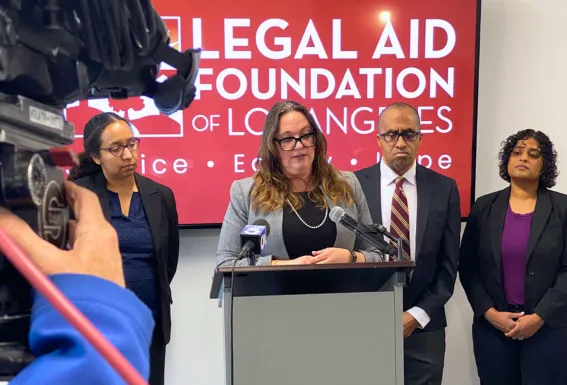
Legal advocates say they hope the decision marks a turning point toward more lawful and effective approaches to homelessness that prioritize housing, services, and basic infrastructure over displacement.