
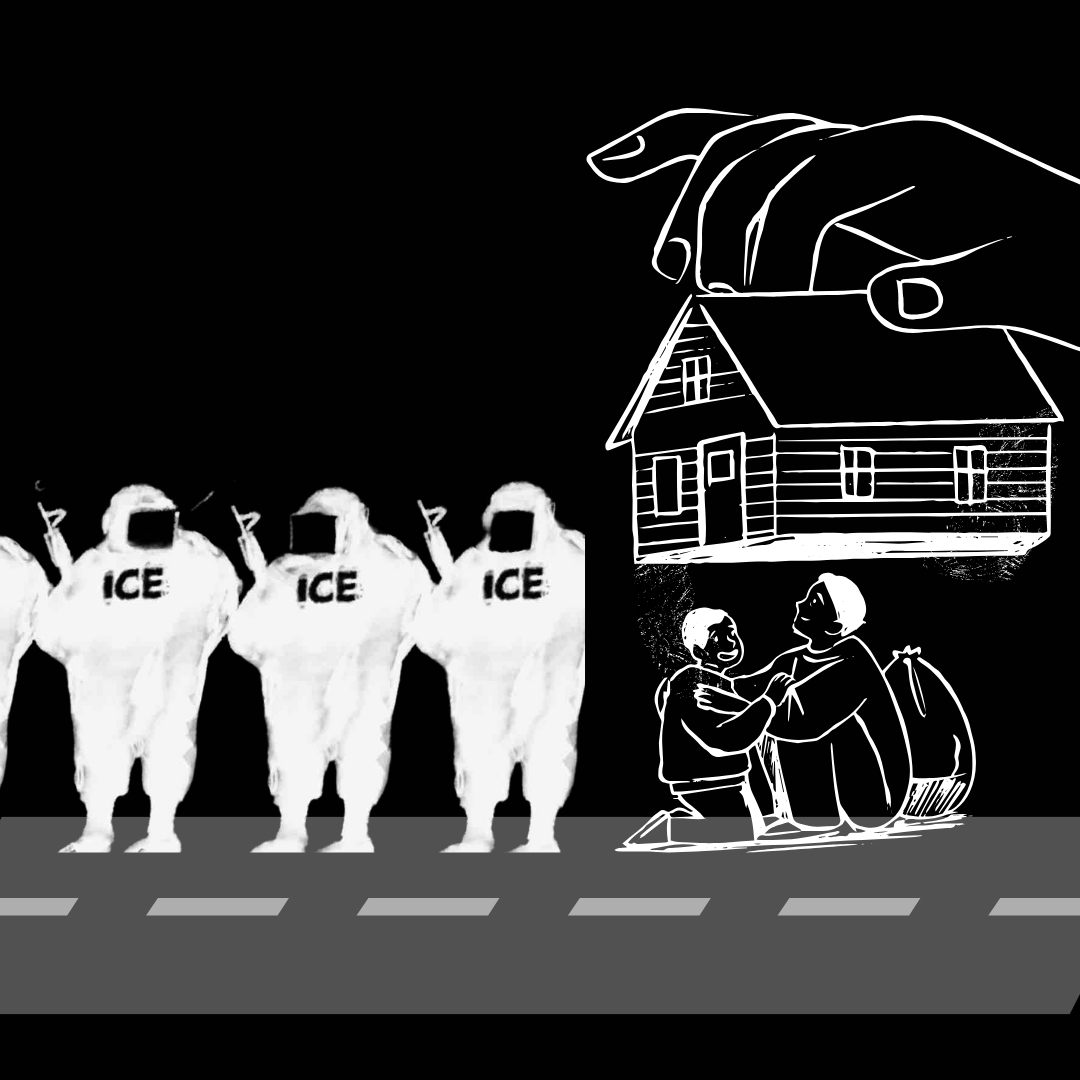
Los Angeles is on the brink of a new homelessness surge, and this time the trigger is not a sudden economic shock but a deliberate federal retreat from housing assistance. The looming expiration of pandemic era Emergency Housing Vouchers, combined with deepening cuts to the Section 8 program, exposes how fragile the city’s housing safety net has always been and how quickly it unravels when federal priorities shift from keeping people housed to terrorizing communities.
During the COVID emergency, the federal government created Emergency Housing Vouchers to move people out of shelters and off the streets, targeting people at the greatest risk of homelessness. Los Angeles received more than 3,300 of these vouchers in 2021, one of the largest allocations in the country. But the city struggled almost immediately to turn vouchers into housing. For more than a year, fewer than six percent were successfully used to lease apartments. Thousands of people remained unhoused with vouchers in hand, stuck waiting on inspections, paperwork, or unreturned calls, even as available units went unused.
After years of delay, some of that backlog finally cleared, and roughly 2,800 households in Los Angeles are currently housed using emergency vouchers. Many waited years to move indoors. These are families, seniors, and people with disabilities who were previously homeless and for whom the private rental market is largely inaccessible without assistance. Now, just as housing placements stabilized, those same households are facing the possibility of losing their homes as federal funding for the COVID era program runs out. Housing officials have warned that without new appropriations, the vouchers keeping these families housed could expire as early as next year.
Put in context, those 2,800 households represent a substantial share of the unhoused population within the city of Los Angeles. The city’s most recent count places that number at 43,699 people, a figure officials have touted as a 3.4% decrease from the prior year. Even if that decline were fully accurate, the loss of emergency vouchers would more than wipe it out. Losing housing for 2,800 households would translate into roughly a six percent increase in homelessness citywide, erasing the reported decrease and pushing homelessness several percentage points higher than before. If those vouchers expire, thousands of people would be pushed directly back into shelters, cars, or the street, reversing years of slow and uneven progress.
This cliff is not accidental. The Trump administration has declined to extend or replace the one time COVID housing investments, while advancing a federal budget that sharply reduces housing support more broadly. The Emergency Housing Voucher program was funded once and then left to expire. Section 8, the backbone of federal rental assistance, is also being gutted by the Trump administration. In Los Angeles, HACLA announced that starting August 1 it will lower the maximum rent it will subsidize for new Section 8 leases, cutting the payment standard from 120 percent of market rent to 110 percent, a move that will make vouchers even harder to use in an already punishing rental market.
At the same time, federal spending priorities have moved decisively in the opposite direction. Tens of billions of dollars are being poured into ICE for detention, deportation, surveillance, and raids that terrorize immigrant communities across Los Angeles. The entire national Emergency Housing Voucher program cost roughly five billion dollars in total. In other words, the federal government is spending many times more each year to police and displace people than it would cost to keep tens of thousands of households housed.
The consequences are already visible on the ground. Even before vouchers expire, many are difficult or impossible to use. Large landlords routinely avoid voucher holders despite laws banning discrimination, using credit requirements, administrative barriers, or outright misinformation to shut renters out. As federal funding shrinks, housing authorities respond by tightening standards and lowering subsidies, further weakening a system that already depends on private landlords’ willingness to participate. A program that depends on the goodwill of private landlords and the volatility of federal appropriations was never designed to withstand political hostility.
The predictable result is rising homelessness. When emergency vouchers vanish and Section 8 covers less rent, people do not absorb the difference. They fall behind, face eviction, and lose housing altogether. Each cut compounds the last, and each household pushed out increases pressure on shelters, outreach systems, and already overstretched city budgets.