
A commercial real estate sale in Council District 11 is poised to push Los Angeles’ Measure ULA past a milestone its opponents have spent the last year trying to prevent: $1 billion raised for housing and tenant protections.
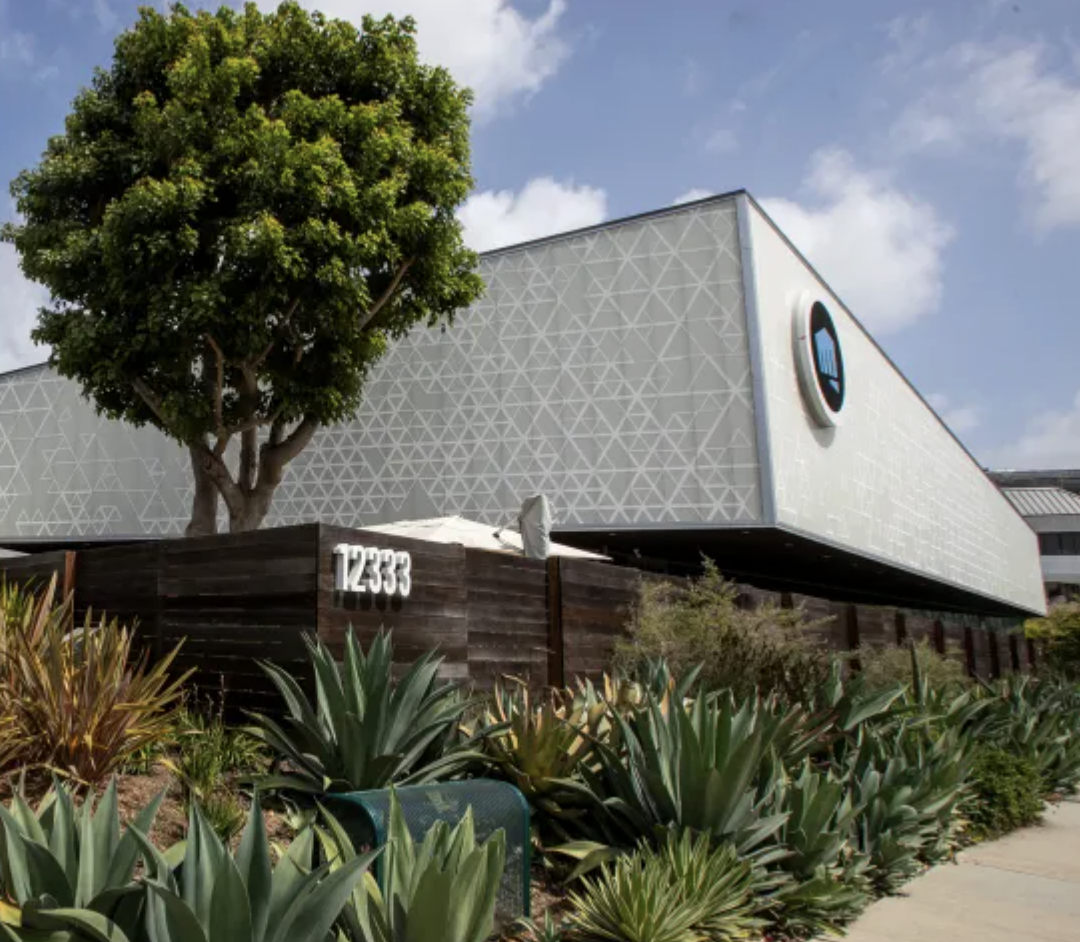
Earlier this month, Hudson Pacific Properties finalized the sale of an office campus on the Westside for $231 million, according to reporting by The Real Deal. Because the transaction exceeds the $10 million threshold, it is subject to Measure ULA’s transfer tax, which applies to high-value property sales and directs the proceeds toward affordable housing, homelessness prevention, and tenant protections.
The deal is expected to generate tens of millions of dollars for ULA, putting the voter-approved measure over the $1 billion mark less than three years after it took effect. The milestone comes as developers, real estate lobbyists, and anti-tax organizations escalate efforts to weaken or repeal the policy altogether.
Measure ULA, passed by Los Angeles voters in 2022, imposes a graduated tax on property sales over $5 million and $10 million. The revenue is earmarked for affordable housing production, eviction defense, emergency rental assistance, and tenant education. City data shows the measure has already helped keep more than 10,000 tenants housed, funded hundreds of new affordable units, supported thousands of union construction jobs, and provided direct assistance to seniors and disabled households at risk of homelessness.
The Hudson Pacific sale lands squarely in the middle of that debate. Developers and commercial property owners have repeatedly argued that ULA would slow development and chill investment. At the same time, city permitting data shows housing entitlements and approvals have continued to rise since the measure took effect, undermining claims that the tax has stalled construction.
The transaction also comes as the Howard Jarvis Taxpayers Association is gathering signatures for a 2026 statewide ballot measure aimed at rolling back local transfer taxes like ULA. Real estate interests have separately pressed city officials for exemptions and “fixes” that housing advocates warn would hollow out the measure without formally repealing it.
For tenant and housing groups, the symbolism of the billion-dollar threshold matters. ULA was designed to capture a small share of wealth generated by high-end real estate transactions and reinvest it directly into housing stability. Reaching $1 billion, supporters argue, demonstrates both the scale of the housing crisis and the scale of resources available when the city taxes luxury property sales instead of cutting services or shifting costs onto renters.
That this milestone was triggered by a single Westside office campus sale has not gone unnoticed by organizers, particularly in Council District 11, where opposition to new housing and tenant protections has often been most vocal. While opponents frame ULA as punitive, supporters point out that the tax applies only to the city’s most expensive transactions and does not affect typical homeowners.