
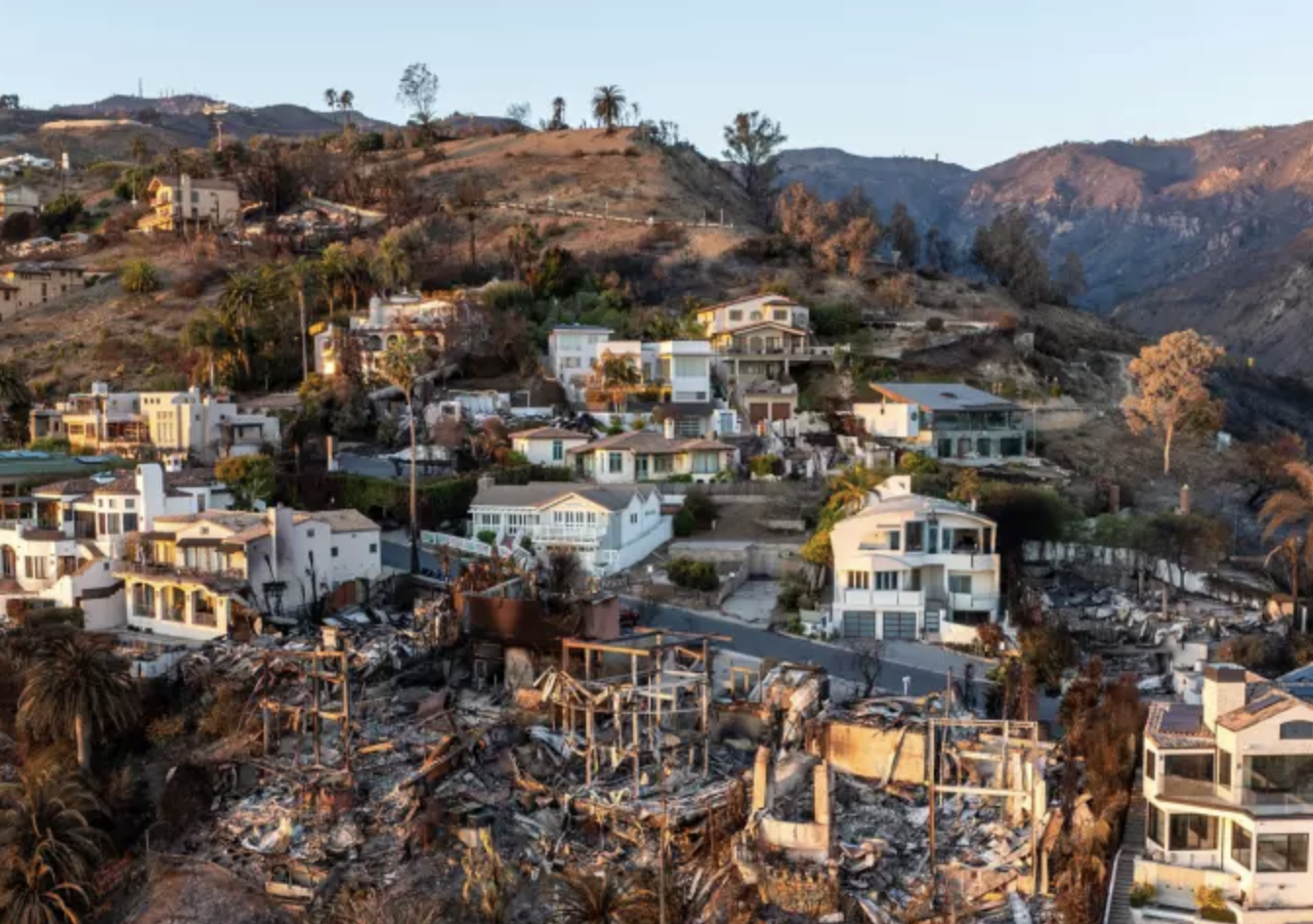
Los Angeles City Council declined Tuesday to fast track a feasibility study for a new Climate Resilience District in Pacific Palisades, slowing down a proposal championed by Councilmember Traci Park and raising questions about whether one of the wealthiest communities in the city should be first to access a powerful and untested financing tool.
Park urged colleagues to approve $300,000 for the study, insisting the council should move ahead even though the city still lacks a basic citywide analysis of how these districts could drain the general fund. Budget and Finance Chair Katy Yaroslavsky pushed back, warning that the council had yet to see the broader fiscal analysis and saying, “We still don’t have that report. There are potentially huge financial implications . . . Sometimes these districts use tax increment, which takes away money from the general fund.” She reminded colleagues the city is already struggling to maintain basic services and said the committee that oversees the Economic and Workforce Development Department needed to review the proposal before money is moved around. As she put it, “I’m not here to say that we shouldn’t use it for this. But the committee that oversees EWDD should have a chance to have that conversation.”
Park responded by objecting to the referral and insisting she had already found the money. She then even further, arguing that the Palisades was owed the same treatment that other communities have received after disasters. “Unfortunately, it’s the Pacific Palisades’ turn and they deserve the same consideration that these other communities were afforded in the past.” The framing landed awkwardly for some, given that the city has repeatedly warned that Climate Resilience Districts are slow to implement, may not meaningfully help with short term disaster recovery, and could siphon tax revenue away from the services residents across the city rely on.
In the end, the council voted 10 to 5 to send the entire matter back to the Budget and Finance and Economic Development committees, rejecting Park’s push to bypass the process. The decision highlights a growing tension inside City Hall between districts seeking special financing tools for localized climate risks and the reality of a strained general fund that is already stretched thin.