
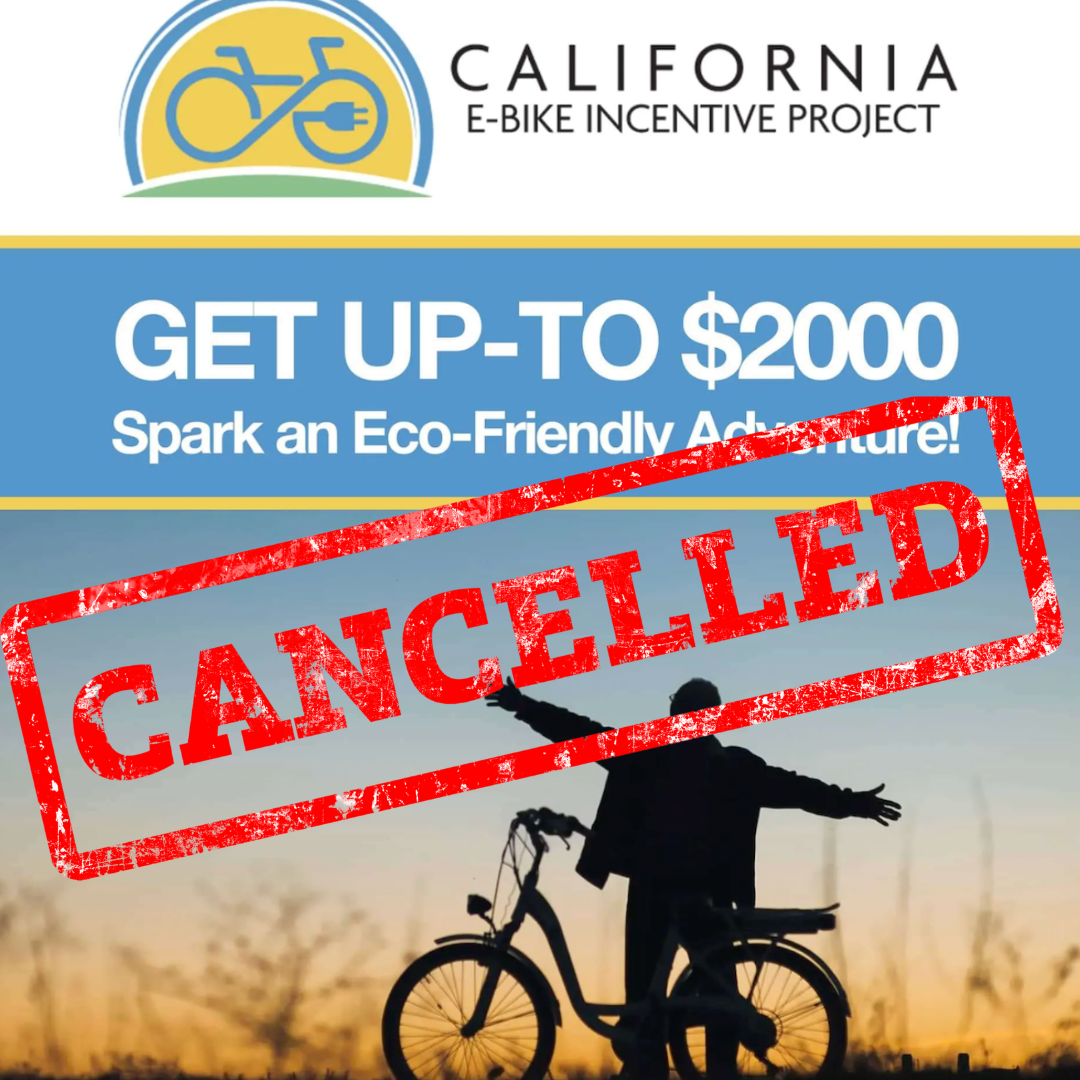
California’s experiment with e-bike vouchers was supposed to help low-income residents access clean, affordable transportation. Instead, as reported by the San Diego Union Tribune this week, the program ended quietly this fall after a year of technical failures, public frustration, and mounting questions about the nonprofit chosen to run it. The program, managed by a San Diego group called Pedal Ahead, offered up to $2,000 to help qualifying residents buy new e-bikes. It was meant to complement the state’s push for climate-friendly transit options and reduce dependence on cars.
When it launched, demand was huge. Tens of thousands of people logged on for a few thousand vouchers, crashing the website and overwhelming administrators. The next round of applications never even got off the ground because the system failed again. Meanwhile, Pedal Ahead came under investigation for alleged mismanagement of a similar San Diego program, including accusations of falsified records. The problems left thousands of applicants in limbo and the program’s credibility in shambles.
By late October, the California Air Resources Board ended the project altogether, quietly redirecting more than half of the $30 million budget to electric car rebates. No public announcement explained the decision, only that the funds would now support the Clean Cars 4 All program. The move drew outrage from cycling and climate advocates who saw it as another example of the state favoring cars over cheaper, more accessible alternatives.
For residents who had hoped for an affordable way to commute, the cancellation hits hard. An e-bike can replace many short car trips, especially in dense urban neighborhoods where public transit is limited. The voucher would have helped bridge the gap for low-income riders shut out of California’s car-centric policies. Shifting the funds to electric vehicles might help some families, but it also leaves many others behind.
The program’s failure raises questions about oversight, priorities, and what “clean mobility” really means. If the goal is to reduce emissions and make sustainable transportation equitable, then e-bikes remain one of the most effective and affordable tools. Instead, the state’s signature attempt to support them has ended with little transparency or accountability. For now, the promise of accessible, car-free mobility in California has been deferred once again.