
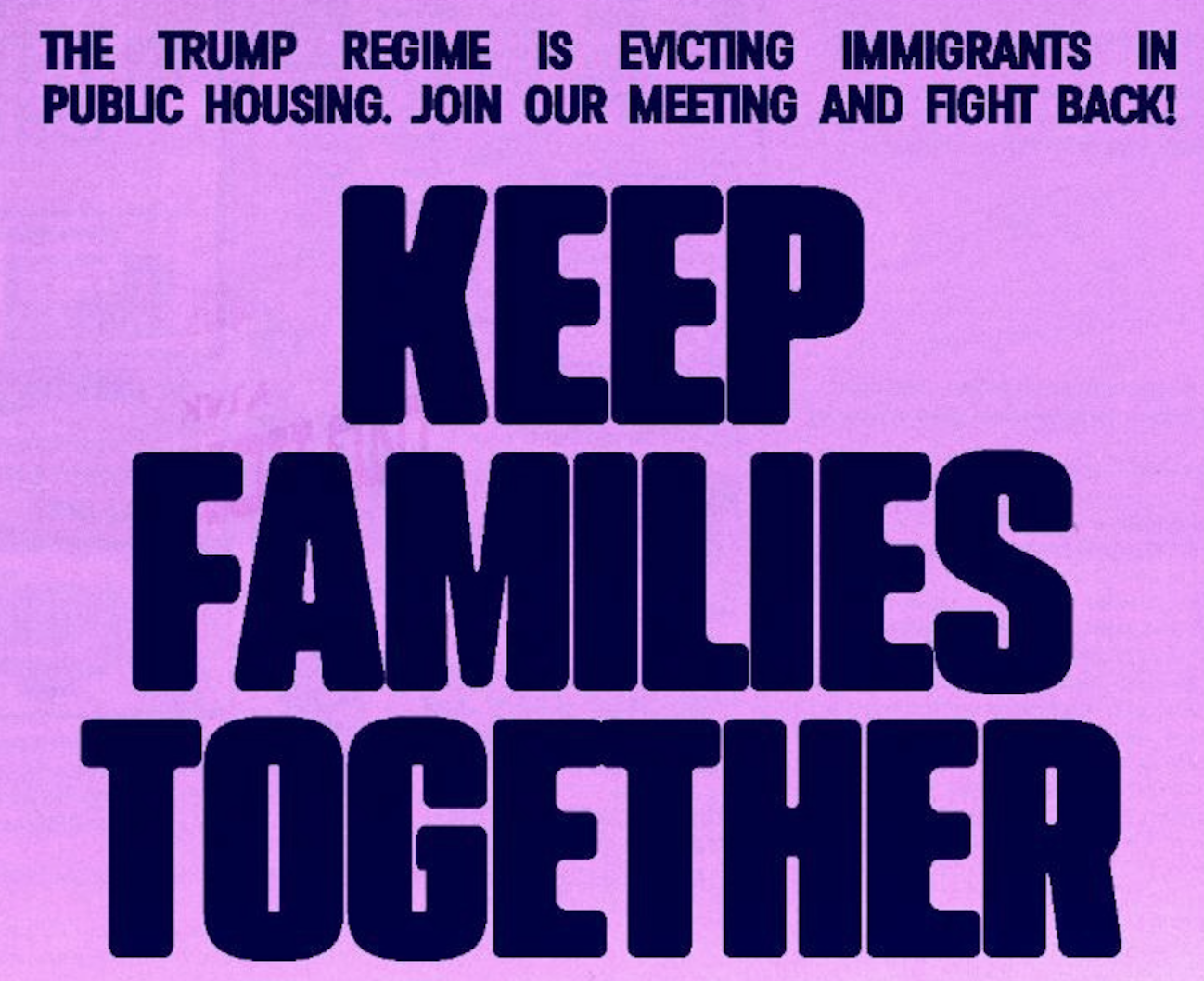
The Trump administration is moving closer to finalizing a federal housing rule that could force thousands of families with mixed immigration status out of subsidized homes and into homelessness.
Under current federal housing policy, families where some members are U.S. citizens or lawful residents and others are undocumented can receive prorated rental assistance. That means eligible members of a household continue to get housing support even though not every resident qualifies. The new proposal would scrap this approach. If anyone in a household cannot prove eligible immigration status, the whole family would be disqualified from public housing, Section 8 vouchers, and other federal housing programs.
Locally, the impact would be massive. The Housing Authority of the City of Los Angeles estimates that more than 11,500 residents of subsidized housing would be at risk under the rule. That includes roughly 6,500 people living in public housing, about 3,900 receiving Section 8 vouchers, and over 1,000 in other project-based rental assistance. In most of these households, the majority of people at risk of losing benefits are children who are U.S. citizens living with at least one adult who does not have legal immigration status. City analysts also point out that almost one in six families in Housing Authority units currently receives prorated benefits because of mixed status, and those households would face eviction or forced separation from loved ones if the rule goes into effect.
The proposed change comes as homelessness in Los Angeles remains at crisis levels and affordable housing is scarce. Thousands of families here already struggle to pay rent or stay housed amid rising costs and limited assistance. Experts warn that stripping housing support from mixed-status families would not only tear families apart but also increase homelessness, destabilize children’s schooling, and deepen the ongoing housing emergency.
Across the country, advocates estimate that tens of thousands of mixed-status families could lose housing assistance if the rule is adopted. Hundreds of thousands more face new work requirements and time limits being proposed for housing support, changes that could push even more people into instability. The combined effect would be felt not only by immigrant communities but by schools, hospitals, and social services systems already under strain.
Once the federal proposal is formally published, there will be a limited period for public comment before it could move toward adoption. Local organizers are urging residents to pay attention to the release and to stand with families who would be displaced by these changes.
Community members who want to learn more about the proposal and its impacts can do so at a local teach-in happening this Saturday at 1 p.m. at SEIU 721 in Westlake.