
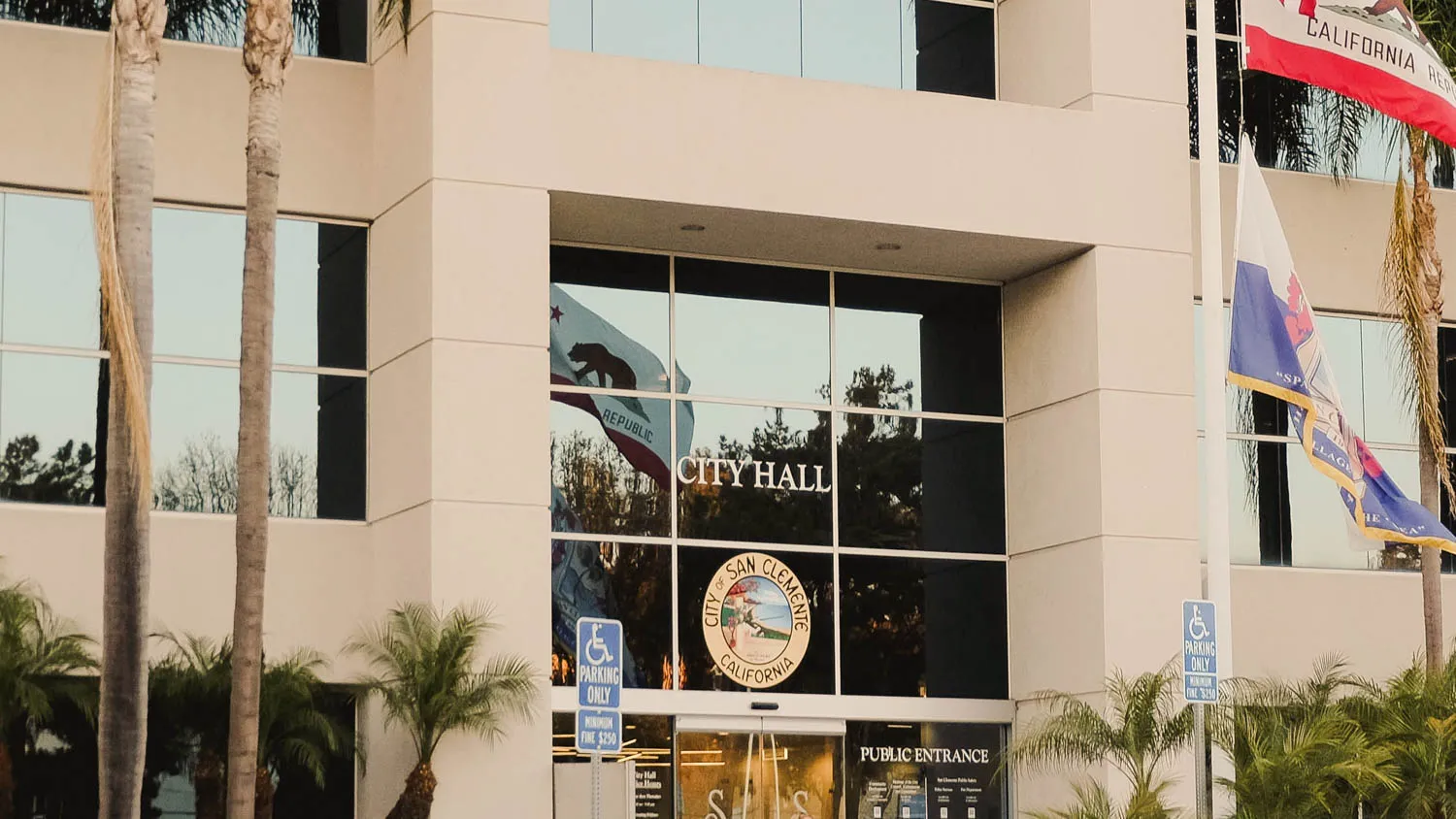
San Clemente’s city council voted to approve a deal that gives federal border enforcement a long term surveillance foothold on city owned land, despite sustained public opposition and clear warnings about privacy and civil liberties. The vote was three in favor, one opposed, and one abstention. Councilmembers Steven Knoblock, Rick Loeffler, and Zhen Wu voted yes. Councilmember Mark Enmeier voted no. Councilmember Laura Campbell abstained.
The agreement allows U.S. Customs and Border Protection to install and operate high powered surveillance cameras overlooking the coast to monitor for so called panga boats. CBP controls the cameras, the footage, and how the system is used. The city will not have access to the live feed or stored data. There are no enforceable limits requiring the cameras to remain pointed only at the ocean, and no mechanism for local oversight once the system is operating.
Supporters of the deal framed it as a public safety measure. Knoblock repeatedly emphasized the reach of the technology, telling colleagues and the public that the cameras can see “for miles” and operate at night and in poor visibility. That description, quoted consistently across coverage, was meant to reassure residents that Border Patrol would be able to detect boats before they land. Instead, it underscored what opponents were warning about. Cameras that can see for miles do not stop at the shoreline.
Residents used public comment to raise concerns about mass surveillance, mission creep, and racial profiling. One speaker warned the council that the proposal would create “a Big Brother system,” and others questioned how the city could approve a long term surveillance agreement without clear restrictions on where the cameras could point or how the footage could be used.
City staff acknowledged those gaps. They confirmed that the agreement does not bind CBP to limit surveillance to the ocean and does not give the city authority to audit, review, or constrain the agency’s use of the cameras. Those admissions cut directly against assurances from councilmembers that the system would be narrowly focused.
Enmeier cited the lack of guardrails in explaining his no vote, arguing that the city was being asked to give up control of public land and accept an open ended surveillance arrangement without basic privacy protections. Campbell declined to support the agreement but also declined to oppose it, allowing the deal to pass despite hours of public comment urging the council to slow down or reject it.
Although San Clemente is not a sanctuary city, it sits within a sanctuary state, and California law limits local cooperation with federal immigration enforcement. City leaders argued that the camera deal complies with state law because local police will not operate the system. Border Patrol will. Critics argue that this distinction, which is central to the city’s defense of the agreement, is a deliberate workaround that violates the intent of sanctuary protections.